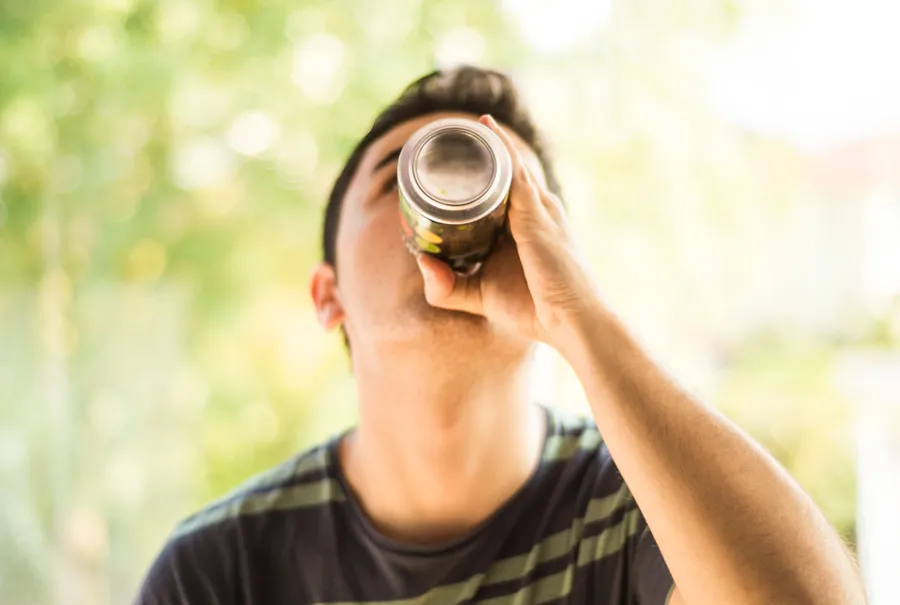
Kuwait has rolled out sweeping new regulations on energy drinks, introducing an 18-year age restriction, strict consumption limits, and a nationwide ban on sales across schools, restaurants, cafés, government offices, and multiple commercial outlets.
The decision is part of Kuwait’s broader effort to protect public health and reduce health risks linked to high caffeine and sugar intake.
Kuwait’s New Energy Drink Law: Major Restrictions Announced
According to Al Qabas, Kuwait’s Minister of Health, Dr Ahmed Abdulwahab Al Awadhi, issued a ministerial decision outlining tough controls on the sale, consumption, marketing, and distribution of energy drinks. Key details include:
-
Ban on energy drinks in schools, colleges, universities, and all educational institutions
-
Ban in government offices and public sector entities
-
Ban in restaurants, cafés, grocery stores, food trucks, and vending machines
-
No online delivery of energy drinks
-
Strict 18+ age limit
-
Maximum 2 cans allowed per person per day
-
Caffeine content capped at 80mg per 250ml
-
Mandatory health warnings on all packaging
-
Complete ban on energy drink advertising and sponsorships
Where Energy Drinks Can Still Be Sold in Kuwait
Under the revised policy, energy drinks will only be available through:
-
Cooperative societies
-
Parallel markets
-
Designated monitored sections within approved outlets
Authorities will conduct inspections to ensure compliance and penalize violations.
Why Kuwait Enforced the Energy Drink Ban
The Kuwait Ministry of Health highlighted increasing global concerns over youth caffeine consumption, heart risks, sleep disorders, and behavioral impacts, prompting stronger regulation to safeguard public health.
Kuwait Tightens Public Health & Consumer Safety Laws
With these measures, Kuwait joins other GCC countries strengthening controls over high-caffeine beverages, marking one of the region’s strictest crackdowns on energy drinks.
