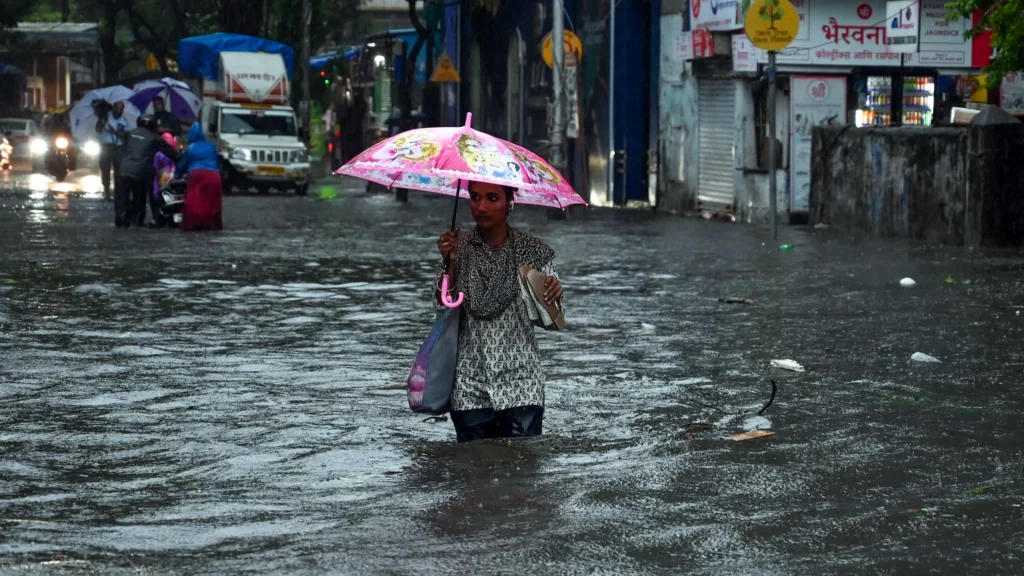
To avoid the scale of destruction seen this year, the government has introduced a Monsoon 2026 Strategic Plan aimed at reducing human and financial losses.
The initiative follows a deadly season in which more than a thousand lives were lost across Pakistan.
The Ministry of Climate Change, with the Prime Minister’s approval, has finalised a detailed three-part strategy to manage the next monsoon season.
The plan responds to the severe impact of this year’s floods, which caused 1,037 deaths and destroyed over 229,000 houses, alongside massive losses to agriculture, livestock, and infrastructure.
Also read: Devastating monsoon of 2022
Meteorologists have already warned that 2026 could bring 26% more rainfall than normal, raising concerns about preparedness and resource allocation.
Pakistan once again suffered widespread devastation due to heavy rains and floods. The combined damage to homes, croplands, and essential structures has placed additional pressure on national and provincial authorities to act before the next monsoon cycle begins.
Three-part strategy:
1. Rebuilding
The government plans immediate rehabilitation of all infrastructure damaged in 2025. This includes repairing canals, floodgates, and urban drainage systems, which failed to withstand this year’s intense rainfall.
2. Expanding existing systems
The second phase focuses on strengthening and expanding current infrastructure to handle future climate pressures. Officials say this step is necessary to reduce flood risk in vulnerable districts.
3. New resilient infrastructure
A long-term component of the plan includes building new climate-resilient structures across the country. These will be developed in consultation with provincial governments to ensure region-specific needs are addressed.
However, experts emphasize that without prior arrangement of adequate funds, inter-provincial coordination, and public cooperation, the plan could struggle to deliver results.
Meteorologist Saliha Qureshi warned that the plan’s success depends heavily on stable financing.
She said, “The most important thing is coordination and cash flow. If you start a plan and later find that the government is not financially capable of completing it, implementation becomes impossible.”
Meteorologist Dr. Kashif Salik added that the strategy requires long-term seriousness. He noted, “This is not feasible without a serious long-term approach. National and local-level action plans must be formed, and communities must be included in the process.”
