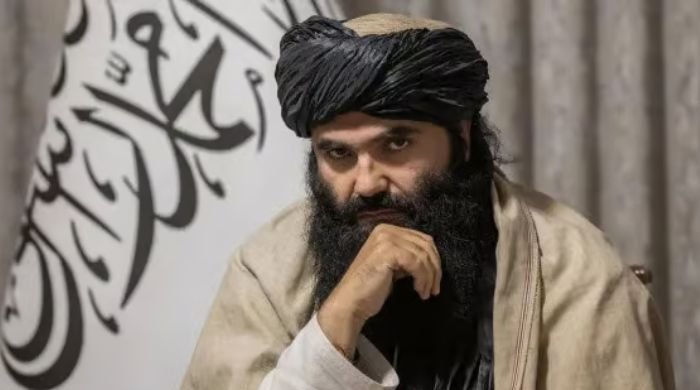
Sirajuddin Haqqani quits as Interior Minister over policy disputes.
In a surprising twist, the influential Taliban leader Sirajuddin Haqqani has resigned as the acting interior minister of Afghanistan.
Haqqani, who also leads the powerful Haqqani Network, reportedly stepped down due to deepening differences with the Taliban’s Supreme Leader, Hibatullah Akhundzada.
Differences within the Taliban Leadership
Reports from sources within the Taliban suggest that Haqqani was against many policies enforced by Akhundzada’s administration, especially those related to women’s education, foreign relations, and governance strategies.
The divide within the Taliban ranks has been growing since the group seized control of Afghanistan in 2021, with senior leaders, especially from the Haqqani faction, voicing concerns over Akhundzada’s hardline approach.
According to insiders, Haqqani recently travelled abroad for medical treatment and is currently in Kabul, resting after his return.
His resignation signals an escalating power struggle within the ruling regime, as factions within the Taliban contest control over the government’s direction.
Battle for Influence
Experts suggest that Haqqani’s departure is indicative of a larger battle for influence within the Taliban.
Key figures aligned with Akhundzada are reportedly working to curb the growing power of the Haqqani Network, which has maintained considerable clout due to its strategic alliances and military operations.
This internal strife was on full display last month when a 14-member Taliban delegation was barred from travelling to Qatar for the Afghanistan Future Thought Forum.
Reports indicate that some members were forcibly disembarked from a FlyDubai aircraft, while others scheduled to board an Air Arabia flight were prevented from travelling.
The delegation included two women, which is believed to have been a key factor behind the Taliban’s intervention.
Sources suggest that this move was part of the ongoing internal power struggle between Haqqani’s faction and those loyal to Akhundzada, as each side attempts to consolidate control over Afghanistan’s governance and international engagements.
Afghanistan’s Future
The intense power struggle within the Taliban could have much bitter consequences for Afghanistan’s stability.
If the rift deepens, it may lead to further fractures within the regime, potentially impacting the country’s already fragile governance.
The Taliban’s stance on key issues, including international relations and internal policies, may also shift depending on which faction emerges dominant in the coming months.
With Haqqani stepping down, all eyes will be on how Akhundzada and his supporters navigate this growing unrest within their ranks. Whether this internal discord translates into broader instability remains to be seen.
