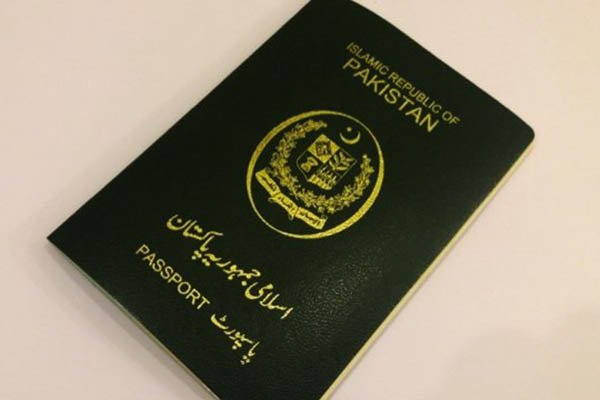
Pakistanis can now avail E-passport facility. Citizens of Pakistan can now enjoy the efficiency of e-passports, heralding a new era of streamlined travel.
The Directorate General of Immigration and Passport has officially confirmed the nationwide availability of this long-anticipated service, marking a significant stride in modernizing travel documentation processes.
Under the comprehensive e-passport initiative, major international airports, including Islamabad, Lahore, and Karachi, are set to feature cutting-edge smart gates.
Pakistan will be launching e-passport facility today, which will allow passengers to make use of e-gate facility at airports around the world. This is the biggest up-gradation of Pakistani travel documents since 2004.
— Shanza Faiq (@Shanzaf) March 30, 2022
These gates will facilitate swift immigration for travelers equipped with e-passports, promising a seamless and time-efficient experience.
In terms of cost, the 36-page e-passport, valid for a five-year period, is priced at a standard fee of Rs 9,000.
Urgent issuance, for those in need of expedited services, comes at a cost of Rs 15,000.
For a decade-long validity, the regular fee is Rs 13,500, while urgent processing incurs a higher charge of Rs 22,500.
Also read: Pakistan faces shortage of lamination paper to issue new passports
For those opting for the larger 72-page e-passport, designed to accommodate extensive travel needs, the pricing structure is set at Rs 15,000 for a five-year duration and Rs 27,000 for urgent issuance.
A ten-year validity for the 72-page e-passport comes with a routine processing fee of Rs 24,750, and urgent processing is priced at Rs 40,500.
This transformative service is accessible through all passport offices across the country, ensuring that citizens from every corner of Pakistan can take advantage of the e-passport convenience.
Noteworthy enhancements include fortified security features and improved database accessibility, made possible by the integration of an electronic chip within the passport pages.
This chip serves as a secure repository for biometric information about the passport holder.
Critical data stored on the chip includes biometrics for identity verification, personal information from the passport’s data page, a unique identification number, and a digital signature.
Furthermore, the e-passport boasts a contactless (NFC) chip, enabling electronic reading for added efficiency and security.
As Pakistanis can now avail E-passport facility, the Directorate General of Immigration and Passports emphasizes that these newly launched e-passports adhere to the stringent standards set by the International Civil Aviation Organization (ICAO) of the United Nations, marking a significant leap towards global best practices in travel documentation.
