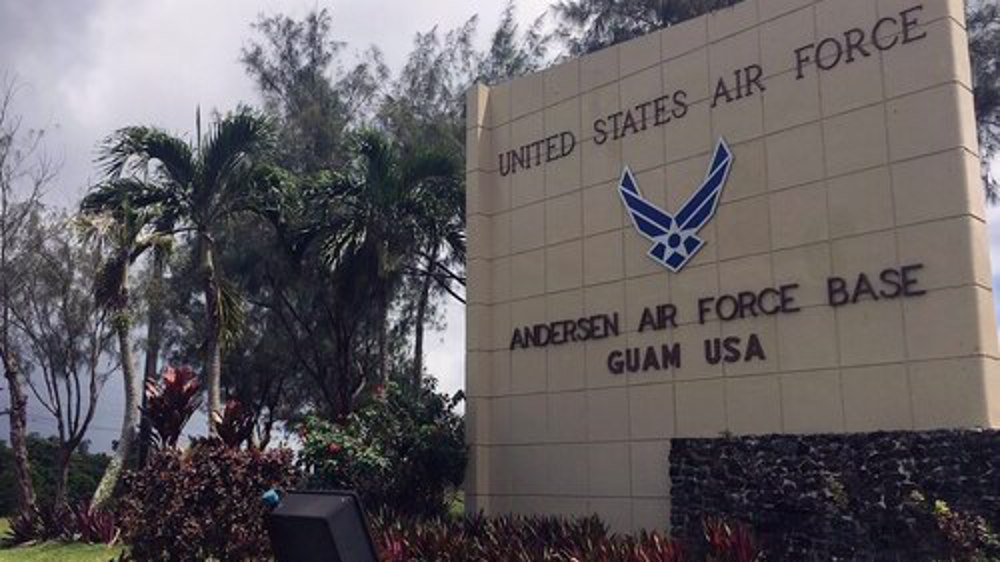
US critical infrastructure was hacked by a Chinese government-backed group. The US and its cybersecurity allies accuse a hacker gang supported by the Chinese government of eavesdropping on crucial US infrastructure organisations, including the one in the island territory of Guam, which is home to important military sites.
In separate investigations released on Wednesday, Microsoft and Western intelligence agencies claimed that hackers had successfully inserted computer programmes that blended into Microsoft Windows computers, avoided detection while keeping access, and collected information.
Microsoft claimed that the intrusion was carried out by the Chinese hacker collective known as “Volt Typhoon,” which is supported by the Chinese government.
The group, according to the statement, targeted businesses in the telecommunications and transportation industries, as well as Microsoft itself, Western intelligence services, and the vital US military installation of Guam in the Pacific Ocean.
By means of numerous underwater cables, Guam serves as a significant communications centre that links the United States to Asia and Australia.
“Microsoft assesses with moderate confidence that this Volt Typhoon campaign is pursuing the development of capabilities that could disrupt critical communications infrastructure between the United States and Asia region during future crises,” the technology firm claimed.
“Observed behaviour suggests that the threat actor intends to conduct espionage and maintain access without being discovered for as long as possible,” it was stated.
In light of potential future crises, Microsoft experts expressed “moderate confidence” that this group was working on capabilities that may compromise crucial communications infrastructure between the United States and Asia.
As US critical infrastructure was hacked by a Chinese government-backed group, according to John Hultquist, who oversees threat research at Google’s Mandiant Intelligence, “It means they are preparing for that possibility.”
According to Hultquist, the Chinese action is unusual and concerning as well because researchers are still unsure of what this group may be capable of.
“The geopolitical situation has increased interest in this actor,” he said.
Security experts said that if China assaults Chinese Taipei (Taiwan), hackers could target US military networks and other crucial infrastructure.
It was unclear right away how many organisations were impacted or what data might have been obtained.
According to Rob Joyce, director of cybersecurity at the NSA, the “living off the land” cyberattack strategy involves hackers exploiting “built-in network tools to evade our defences and leaving no trace behind.”
Canada, the UK, Australia, and New Zealand issued a warning that they might also be the target of hackers.
However, the Canadian cybersecurity agency stated separately that it has not yet received any information about Canadians being the victims of the hacking.
However, it continued, “Western economies are deeply interconnected.”
The UK issued a similar warning that the Chinese hackers’ methods may be used globally.
China has not yet answered the accusations.
The US is already seen by China as the “biggest threat to global cybersecurity,” according to Beijing, which claims that the US “knowingly abuses technology” for snooping and a variety of other objectives.
According to Mao Ning, a spokesperson for the Chinese Foreign Ministry, the US is attempting to maintain “hegemony in cyberspace” under the guise of “national security,” and she urged the US to “stop its global hacking operations.”
The US and China have been at odds more recently as Beijing has gained international influence and experienced fast economic growth, acting as a credible counterbalance to the US.
