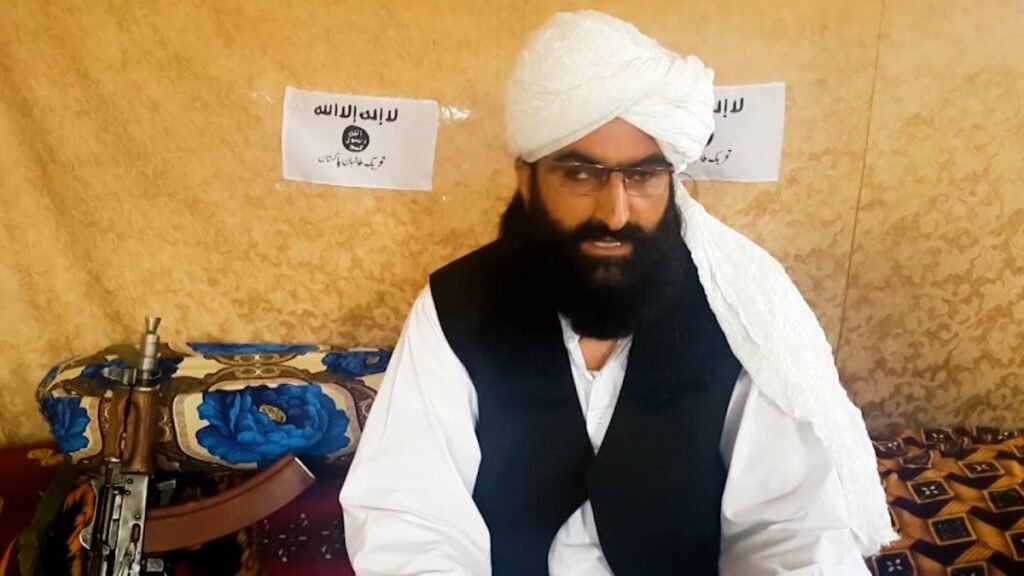
As the terrorist strikes by the Tehreek-e-Taliban Pakistan have intensified across the country, a TTP spokesman rejected any help from the Afghan Taliban declaring ‘we are fighting the war from within the boundaries of Pakistan.
In an interview with CNN, Pakistani Taliban leader Noor Wali Mehsud blamed Islamabad for the ceasefire’s failure, claiming that Islamabad “violated the ceasefire and murdered tens of our comrades while also arresting tens of them.”
When asked if the Afghan Taliban was now assisting his group, the TTP leader was more circumspect.
He answered: “We are fighting Pakistan’s war from within the territory of Pakistan; using Pakistani soil. We have the ability to fight for many more decades with the weapons and spirit of liberation that exist on the soil of Pakistan.”
There are growing questions about the TTP’s reach and Islamabad’s perception of the situation does not match Mehsud’s.
In late November, the day after the ceasefire broke down, Islamabad again claimed the TTP was using Afghan territory as a safe haven, sending Foreign Minister Hina Rabbani Khar to express its concerns to Kabul.
The very next day the TTP claimed responsibility for an attack in the border province of Quetta, where a suicide bomber had targeted a police van helping a Polio vaccination team, killing three and injuring 23.
Nevertheless, cross-border Afghan/Pakistani government tensions are building and came to a deadly head again last week when Afghan forces launched an attack targeting civilian settlements near Chaman/Spin Boldak border post, a vital commercial link between the two countries.
Six people were killed and 17 injured. While there is no evidence of direct involvement by the TTP – or at least, not yet – the end of the ceasefire has clearly raised the temperature.
The situation is only getting more combustible, with the TTP this week announcing another three jihadi groups had joined their ranks, all from along the troubled Afghanistan-Pakistan border region, CNN reported.
A few days ago, the State Department said in its statement: “The United States is committed to using its full set of counterterrorism tools to counter the threat posed by terrorist groups operating in Afghanistan, including al Qaeda in the Indian Subcontinent and Tehrik-i-Taliban Pakistan (TTP), as part of our relentless efforts to ensure that terrorists do not use Afghanistan as a platform for international terrorism.”
Yet in his interview with CNN, Mehsud was defiant saying he “did not expect America to take such action” against his group.
“America should stop teasing us by interfering in our affairs unnecessarily at the instigation of Pakistan – this cruel decision shows the failure of American politics,” he said.
Foreign Minister Bilawal Bhutto is currently visiting the US and the TTP was likely on the agenda when he met United Nations Secretary-General Antonio Guterres for a Security Council debate on the “maintenance of international peace and security” on December 14. It will also likely feature in his talks with US administration officials in Washington, DC, which are scheduled for December 19.
