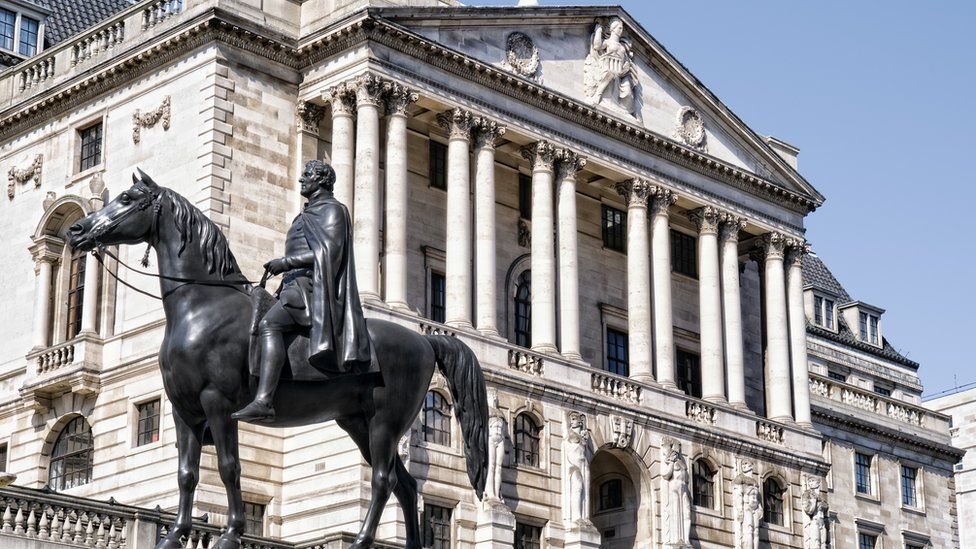
The Bank of England entered the UK bond market to stem a market disruption, pledging to buy around £ 65 billion ($ 69 billion) of long-term government bonds after tax cut plans of the new government triggered the largest sale in decades.
Citing potential risks to the stability of the financial system, the Bank of England also delayed on Wednesday the start of a program to sell its £ 838 billion ($ 891 billion) of government bonds, which were due to start next week. Bank of England has just done £65 billion pounds bailout for protecting the pension.
People have been criticizing Tories’ decision and pouring out their anger on Twitter.
A “distraction” that cost £65 billion to stop everyone’s pension funds going bust. The country simply can’t afford the Tories’ huge incompetence any longer. https://t.co/RI4nFUcPyP
— Kevin Bonavia (@kevinbonavia) October 3, 2022
First rule of politics -“learn to count!” Perhaps Kwarteng can now sit in a room and be forced to count to 65 Billion which was the cost of his mistake. https://t.co/RKgZO7wHXb
— Jess Phillips MP (@jessphillips) October 3, 2022
So the Bank of England spent 65 billion entirely because Liz Truss and Disaster Kwasi didn’t consult with anyone, and ultimately for nothing. That should resign on the spot. https://t.co/wwnYtyPOnK
— Mike Chamberlain 💙 (@mikechamberlain) October 3, 2022
“If the dysfunction in this market were to continue or worsen, there would be a material risk to the UK’s financial stability,” the Bank of England said. “This would lead to an unjustified tightening of financing conditions and a reduction in the flow of credit to the real economy”.
The central bank said it was still resisting a £ 80 billion cut over the next 12 months in its holdings of bonds purchased after the 2007-2008 global financial crisis and during the COVID-19 pandemic.
UK 30-year bond yields hit their highest since 2002 on Wednesday, and traders said it was becoming increasingly difficult to buy and sell bonds as no one wanted to risk holding such a volatile asset. Retirement plans that manage LDI funds to meet regulatory requirements had sold long-term government bonds to meet collateral emergency calls or reduce exposure, pension advisors said.
“At the moment there are no more funds in the schemes,” said a pension advisor before the BoE intervention.
“This was in response to a fairly specific question with the LDI and their relationship with pension funds,” said a source familiar with the BoE’s decision.
If nothing happened, the collapse in gold prices could trigger a vicious cycle of incendiary selling, pushing prices even lower and creating more forced sellers.
After the BoE’s announcement, long-term bond prices rose, with 30-year yields plunging more than a full percentage point, their largest one-day drop in Refinitiv records dating back to 1992. The central bank did not limit the extent of its intervention but said it initially planned to hold daily auctions between Wednesday and October 14 to buy up to £ 5bn of gilts with maturities of at least 20 years.
“The purpose of these purchases will be to restore orderly market conditions,” he said.
The BoE bought £ 1.025bn worth of gilts out of the £ 2.587bn offered in Wednesday’s first buyout, rejecting offers it deemed too expensive.
From the BoE’s point of view, the low number of offers will be viewed positively, suggesting that its commitment to buy long-dated government bonds acts as a backstop and alleviates the liquidity crisis, without having to make large purchases of its own accord.
