There are more than 5,000 known worlds beyond our solar system. Since the 1990s, astronomers have used ground and space-based telescopes to search for signs of planets beyond our tiny corner of the universe. 2 Earth-size worlds revealed beyond our solar system.
Exoplanets are notoriously difficult to directly image because they’re so far away from Earth. But scientists know the signs, looking for wobbles of stars as orbiting planets use their gravitational pull or dips in starlight as planets pass in front of their stellar hosts.
It’s highly likely that there are hundreds of billions more exoplanets just waiting to be discovered. Part of the excitement around the James Webb Space Telescope is its ability to peer inside the atmospheres of potentially habitable planets and discover new worlds. This week, the space observatory certainly delivered.
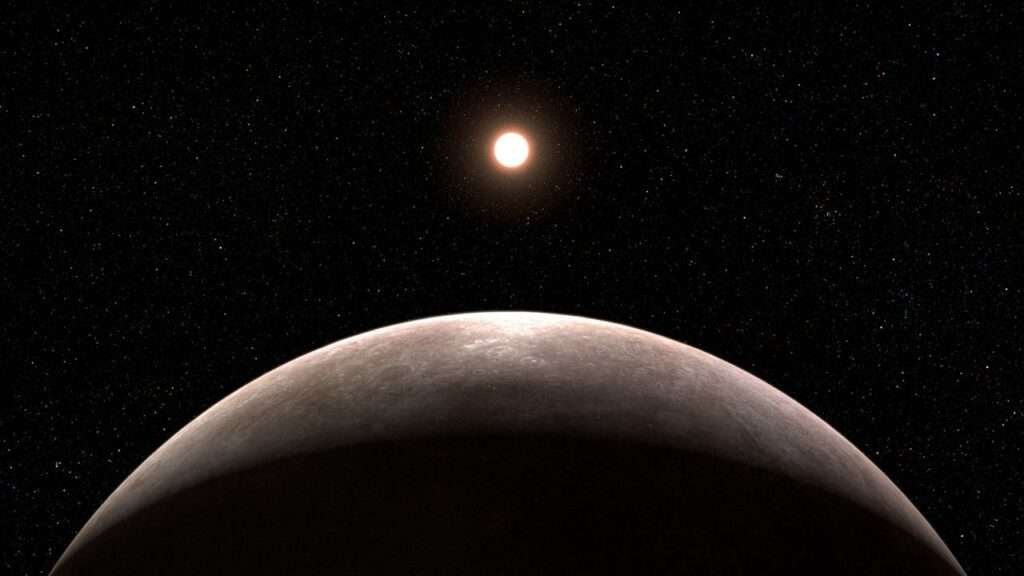
The Webb telescope confirmed the existence of an exoplanet for the first time since the space observatory launched in December 2021. The world, known as LHS 475 b, is almost exactly the same size as Earth and is located 41 light-years away in the Octans constellation. Scientists can’t yet determine if the planet has an atmosphere, but the telescope’s sensitive capabilities picked up on a range of molecules. Webb will get another crack this summer at observing the planet to build upon this data.
The exoplanet was just one of Webb’s cosmic discoveries announced this week at the American Astronomical Society meeting in Seattle. What’s more, NASA’s Transiting Exoplanet Survey Satellite, or TESS, mission spied a second Earth-size exoplanet in an intriguing planetary system 100 light-years away and the world just might be potentially habitable.
A year after the powerful eruption of the Hunga Tonga-Hunga Ha’apai volcano, scientists are still learning more surprising aftereffects of the event. The explosion set off more than 25,500 lightning strikes in just five minutes, according to a new report. The event also triggered nearly 400,000 lightning strikes over six hours and accounted for half of all the lightning in the world during the eruption’s peak.
But even more surprising is that the January 2022 eruption was merely one factor in a year of extremes for lightning across the globe.
