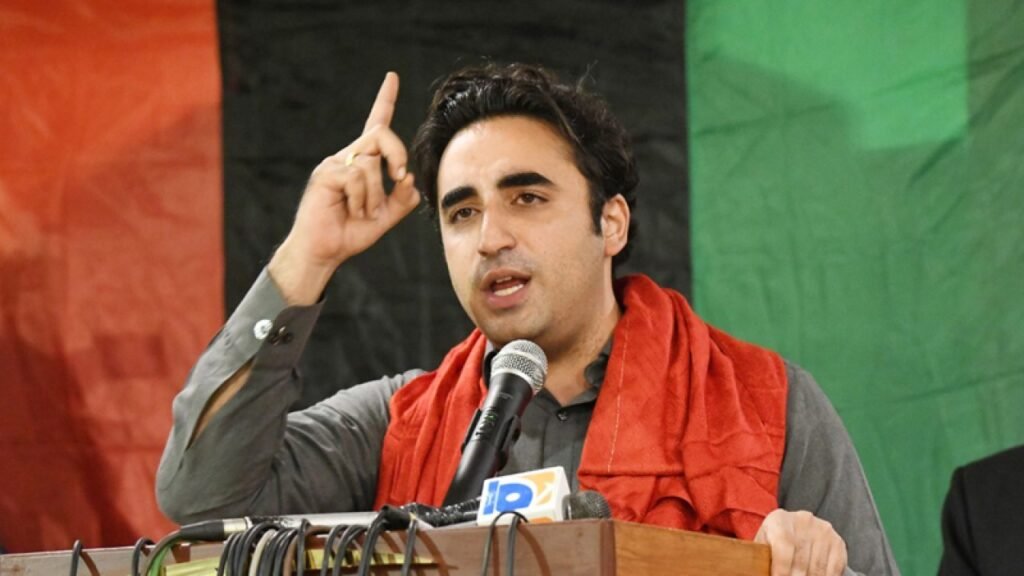
PML-N offers ‘presidency to PPP as talks underway.
In the aftermath of the February 8 elections in Pakistan, where no single party clinched a clear majority, the political landscape is abuzz with negotiations as the Pakistan People’s Party (PPP) and the Pakistan Muslim League-Nawaz (PML-N) engage in talks to forge a potential coalition government.
Reports have emerged indicating that the PPP is actively pursuing alliances with the PML-N, along with other key political allies such as the Jamiat Ulema-e-Islam (JUI) and the Muttahida Qaumi Movement-Pakistan (MQM-Pakistan).
The objective behind these discussions is to cobble together a coalition that can effectively govern the country.
Central to these discussions is the allocation of key positions within the prospective government.
The PML-N has reportedly offered significant concessions to the PPP, including the presidency, the speakership of the National Assembly, and the chairmanship of the Senate.
These offers are seen as attempts to sway the PPP’s support in both the federal government and the crucial province of Punjab.
Notably, Asif Ali Zardari, the prominent leader of the PPP, has been approached with offers of three constitutional positions by the PML-N, underscoring the depth of negotiations between the two parties.
Additionally, the PML-N has proposed positions such as deputy chief minister or senior minister in Punjab to further solidify their partnership.
Sources close to the developments have indicated that despite initial discussions, both parties have agreed to continue negotiations at a high level, signaling a potential breakthrough in the formation of a unity government.
As PML-N offers ‘presidency to PPP as talks underway, the outcome of these discussions will not only shape the political landscape of Pakistan but also have far-reaching implications for governance and stability in the country.
