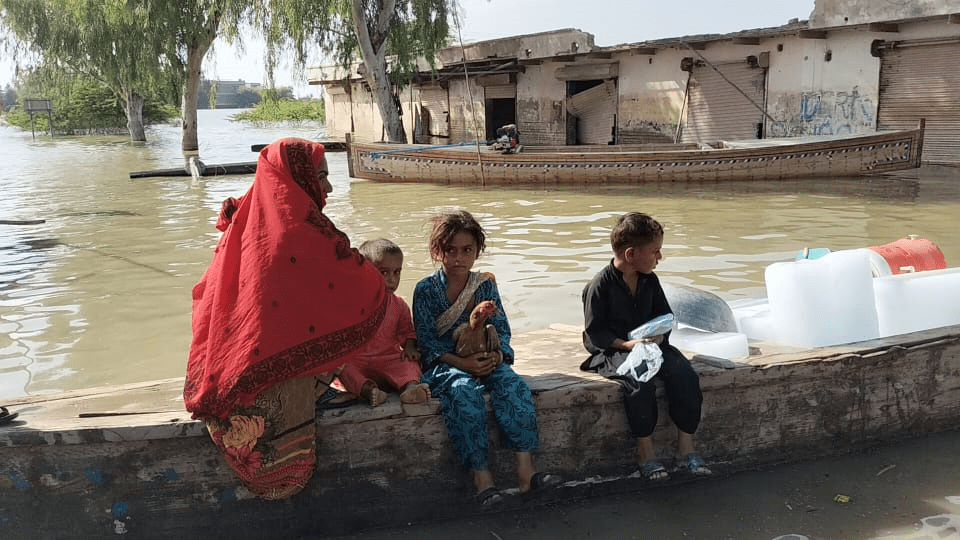
Sindh: Rising diseases impact flood hit people
With more than 78,000 patients appearing in health camps in flood-affected areas of Sindh in the past 24 hours, disease outbreaks remain a concern in the province, where six more people have died from gastroenteritis and other illnesses.
According to the provincial health department, in addition to the deaths from gastroenteritis, two died from fever of unknown origin (PUO) – a condition in which a person has a temperature associated with more than three weeks of illness – myocardial infarction and cardiac arrest have were listed as reasons for the other four deaths.
Sindh, where the floods in the north of the country and the mountain streams of Balochistan merged creating a health crisis, has seen thousands of people displaced by floods and are now caused by various diseases, mainly of water origin.
According to the health department’s report, 14,619 cases of diarrhea, 15,227 cases of skin disease, 9,201 cases of suspected malaria, 665 confirmed cases of malaria and 11 dengue patients have been treated by internally displaced people in the province in the past 24 hours.
Separately, Dr. Kareem Merani of the Dadu Civil Hospital told news sources that there has been an outbreak of malaria and gastroenteritis among the flood-affected population. The surgeon has said that so far about 1,200 patients suffering from these diseases had been admitted to his hospital and that the Orme in the outpatient department of the structure was about 5,000 per day.
Previously, Moinuddin Siddique, director of the Abdullah Shah Institute of Health Sciences in the city of Sehwan, told Reuters that malaria and diarrhea have spread rapidly in the region. “We are overwhelmed,” he said.
Sindh: Rising diseases impact flood hit people
The data of the Health Department show that over 2.7 million internal displaced people were processed in the province from 1 July in the province for the diseases transferred by the water, while 1,082 health structures were damaged by floods.
