In a world plagued by self-serving leaders, a new breed of visionaries is emerging. They’re driven by a fierce commitment to serve, empower, and uplift others. This is the shepherd mentality – a transformative leadership approach that’s changing the game.
At its core, the shepherd mentality is about selflessness. Shepherd leaders are willing to put the needs of others before their own to make sacrifices for the greater good. This selflessness is not weakness; it’s a strength that inspires loyalty, trust, and devotion.
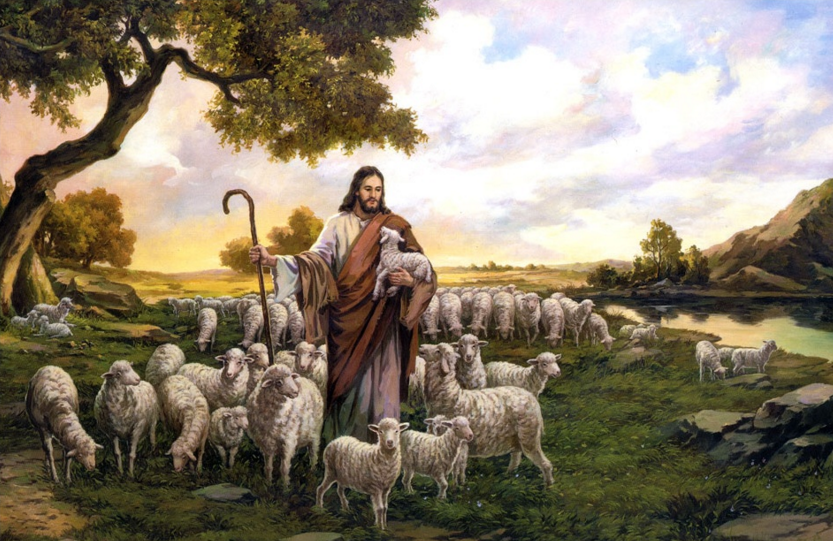
A shepherd’s relationship with his sheep is a powerful metaphor for this leadership approach. A shepherd takes care of his sheep, knowing each one’s temperament and treating them accordingly. For instance, he’s aware of the sheep that can’t keep up with the flock’s pace, so he adjusts the flock’s pace to accommodate them. He also knows which sheep have young lambs that can’t walk long distances, so he carries them on his shoulders. This level of empathy and understanding is essential for effective leadership.
Shepherd leaders have an uncanny ability to understand and connect with others on a deep level. They see themselves as servants, not masters, and empower others to take ownership and make decisions. They prioritise long-term growth and sustainability over short-term gains and are humble and recognise that they’re not the center of attention.
The impact of shepherd leadership is profound. Organisations led by shepherd leaders experience a transformation that’s nothing short of remarkable. Employee engagement soars, collaboration improves, creativity flourishes, decision-making becomes more informed, and long-term sustainability is achieved.
Howard Schultz, the former CEO of Starbucks, is a prime example of a shepherd leader. He prioritised the well-being and growth of his employees, and in doing so, created a culture that’s renowned for its warmth and hospitality. Mary Barra, the CEO of General Motors, is another example of a shepherd leader. She’s driving innovation and sustainability in the automotive industry, and her commitment to empowering her team members is inspiring.
Richard Branson, the founder of Virgin Group, is a shepherd leader who’s empowering entrepreneurs and driving positive change. He’s a true visionary, and his leadership style is a testament to the power of the shepherd mentality.
Interestingly, the concept of shepherd leadership is not new. In fact, several prophets in Islam were tasked with the duty of shepherding, which served as a training ground for their future roles as leaders and messengers of God. Prophet Muhammad (PBUH), Prophet Moses (AS), Prophet David (AS), and Prophet Jacob (AS) all worked as shepherds before assuming their prophetic roles.
God deployed shepherd duty to these prophets for several reasons. It helped them develop responsibility, patience, and compassion. Shepherding required them to trust in God’s provision and care for the flock, which helped them develop a strong faith and trust in God. This experience also provided them with valuable leadership skills, such as decision-making and problem-solving.
The experience of shepherding played a significant role in the lives of these prophets. It prepared them for their future roles as leaders of their communities and helped them develop the qualities necessary to guide and inspire others.
So, how can you develop the shepherd mentality? It starts with a willingness to put the needs of others before your own. It requires empathy, humility, and a commitment to serving others. It means prioritising long-term growth and sustainability over short-term gains and recognising that you’re not the center of attention.
The shepherd mentality is a powerful leadership approach that’s changing the world. By embracing selflessness, empathy, and humility, leaders can create a positive, supportive work environment, drive long-term success, and make a lasting impact. Join the revolution and become a shepherd leader – the world needs you.
As we strive to become better leaders, let us remember the wisdom of the shepherd mentality: true leadership is not about power or prestige but about serving and empowering others. It’s a mindset that’s both simple and profound and one that has the potential to transform our lives, our organisations, and our world.
