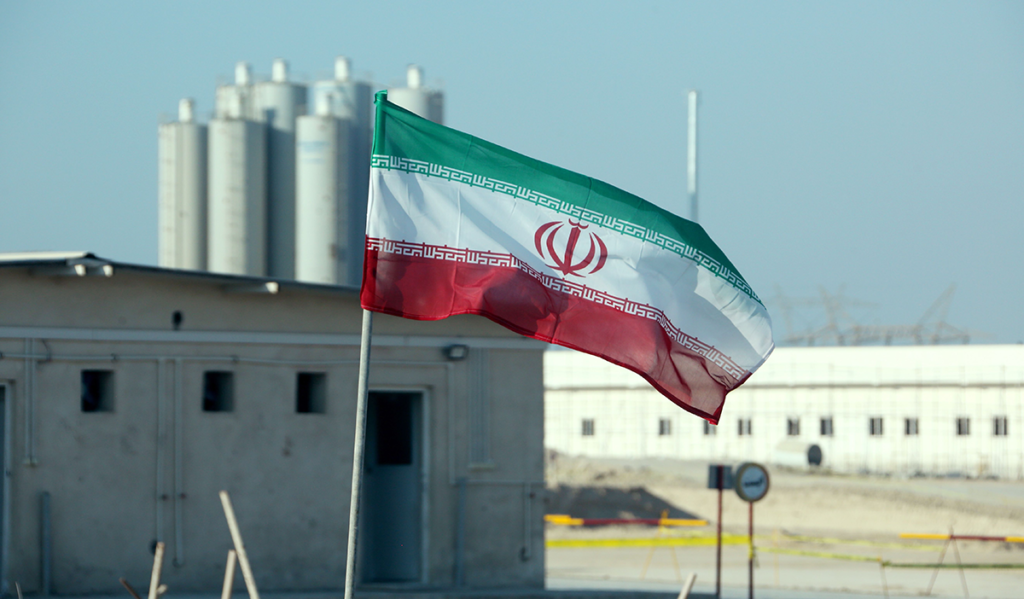
Talks on nuclear deals have been on the table since April 2021. There has been news about the failure and successes of the deal, whether it’s the same deal going to be negotiated or another Nuclear Deal 2022 will come out of it. The reason behind these re-negotiations is to offer two sides profit, Washington aiming at influence in the Middle East as well as halting the nuclear proliferation of Iran in the region. The talks are aimed at resurrecting Joint Comprehensive Plan and Action which was known as a landmark in 2015 and offered Iran a better relief by uplifting all economic sanctions. On the other hand, Iran must promise to control and omit all the workings of uranium enrichment.
Former US President Donald Trump withdrew from the deal in 2018 and imposed additional sanctions on Tehran. There exist many apprehensions when the west especially the USA is reviving the deal because Iran 2018 has already started a speedy program of reviving its nuclear program and can become a nuclear state in a matter of weeks. Either if the deal has been struck, the revolutionary guards of Iran are percept as a threat to the sovereignty of many Gulf states and Israel is the main opponent of this deal because it can hurt the supremacy of Israel in the region. After all, JCPOA is being negotiated on economic incentives to Iran which will help Iran to export more oil to China as well as the West after sanctions are uplifted and also because now the so-called Ukrainian crisis has also shaken up the global oil economy which has to be compensated by Iran probably. There can pros and cons of the deal relative to states’ interests and actions in the past.
● Revival of JCPOA:
This one side political move by Trump proved havoc as violating the terms and conditions which led to a halt of the original agreement and paved a way for Iran to develop a nuclear program within a week which was a matter of years. The Biden administration rejoined the JCPOA indirect talks which included negotiators from key signatories to the nuclear accord; Germany, China, France, Russia, Britain, Iran, and the USA. Also, the representatives from European Union were at the table. However, the Main demand by Iran to re-negotiate the deal was to remove Islamic Revolutionary Guard Corps from the US list of foreign terrorist organizations, and if Republicans come into power will not unilaterally withdraw from the agreement and lead to a situation of war again. The impact of such reservations was clear within the region because the arrangements on the table faced a backlash in Washington, Israel, and the Gulf. After all, it will provide room for Iran to extend its sphere of influence through non-state actors.
● Convergence of Interests:
How would it impact Iran and the Region as well as the convergence of the West’s interests? Following are some key arguments for convergence of interests and equal steps by both parties to strike a new deal. For the west, it’s an alarm that Iran’s nuclear escalation strategy has been successfully induced. Also, the West is not only pertaining to the Iran deal but also thoroughly focusing on systematic rivalry with China. West is craving for oil and gas resources and now we see another rift and oppression by Russia over Ukraine which also halted oil supply and global economy, Iran can compensate it easily if provided funds and resources. Also, Iran has mutual interests whereas, its public willingness to forge a deal and get out of onerous sanctions. Iran also focusing on hard currency to nurture and cultivate its proxy networks, to alleviate its domestic economic crisis. However, calculations by Iran have been more powerful as it is forging a strong deal in the wake of revived JCPOA as Russia and China will be more helpful for anti-nuclear Iran and help strengthen the economy of Iran.
Also, Iran by cutting this renegotiation cannot afford loss (billions of dollars which were frozen). Moreover, the Israeli Prime Minister has criticized this emerging deal because he predicts that this deal would be a weaker one because the US was the state who violated the 2015 deal/agreement and has helped Iran to maintain its Nuclear pace and the US re-impose the agreement, still Iran can be on a Fast Track to military-grade enrichment. Trump Policy of Maximum Pressure was a failure in curtailing Iran’s interests in the nuclear program because international monitoring was the factor to keep Iran under controlled manner, but sanctions have led to proxy helpers which can help Iran overcome economic issues and later build a nuclear bomb which is a huge setback for the region as well as west.
● Opinion/Analysis:
I somehow comprehend that impact of revived JCPOA will be positive for Iran, Washington, and the Middle Eastern states. Following are some perspectives that might be visible with revived JCPOA plan; it will facilitate trade for Iran and provide new geostrategic opportunities for regional commerce as well as Iraq and curtail tensions between Iraq, Iran, and the USA. This relative peace will help Iranian and Iraqi youth to different jobs rather than fitting into non-state actors’ militia. Moreover, JCPOA can also help end the cruelty in Yemen, where thousands of people died in the ongoing war, also, and end the Houthi attacks on the UAE and the Kingdom of Saudi Arabia. This is because somehow Houthi has been influenced by Iranian-backed militia who can cut off their supplies either arms or funds.
Also, the cultural rivalry rooted in history can be made into positive relations between Iran and KSA by reviving JCPOA under some new agreements. Das, we have seen Saudis and Emirati have reached out to Iran after the missile attacks. Restored diplomatic relations can help to cut subversive activities among them, where we can see that Saudi might not help Sunni opponents of the Iranian regime and vice versa. Moreover, Israel has been a significant player in Middle Eastern politics, revived JCPOA will help reduce tensions within the region and this agreement will roll back the nuclear program of Iran to some extent and Israel should be willing to stop sabotaging Iran’s economic dealings. It is not that easy to stay that deal has been finalized again, however, if the deal is not made it will uphold the tensions and can also lead to shadow war in the Middle East.
A revived JCPOA does not mean that Iran is surrendering everything to the west or the major powers signatories, but to some extent, it will allow the US and other officials to sit in the same room and measure compliance with international rules, which helps the US to directly deal with Iran on certain issues which Trump made quite difficult, and Iran rushed to uranium compiling. Also, this revived agreement will help regional diplomacy and economic betterment as we have seen the oil supply affected by the Russo-Ukrainian war. It’s not only between Iran and USA but the role of the European Union and its actors lies far more than justified. EU can act as a mediatory as well as a supporter of compliance to the JCPOA agreement by both parties, Tehran, and Washington.
The joint commission can develop the mechanism and road map for Iran and the US’s full resumption of their JCPOA obligations. Also, providing economic incentives to revive the deal, for example, revive President Emmanuel Macron’s 2019 initiative to pre-purchase Iranian oil if Iran promises to cut down its uranium exploitation. Also, all European states must work with the private sector to expand trade and commerce from Tehran to the world and re-engage Iran with economic takes such as tax breaks. On the other hand, the EU should press for any measures that can provide immediate humanitarian relief, playing a role in approving Tehran’s IMF loan and request to deal with Covid-19-related emergencies when it was under severe sanctions unilaterally imposed by Trump as president.
As we know Russia has been slapped with a range of sanctions, which is also the main signatory of the JCPOA deal. Europeans wanted to conclude a deal without Russia in it, but it is very difficult for Iran to continue without Russia because it shares the burden of uranium outflow from Iran and Iran has its economic shell within the umbrella of Russia and China. Excluding Russia and combining the deal with the USA is death for Iran because initially the original agreement was also abrogated by the US unilaterally and Iran has to face the consequences. Now, the question arises whether shaken global economy by Covid-19 and Russo-Ukrainian war can be recovered by this nuclear deal? The deal has become a “must-to-do” thing for signatories along with Russia to not let the security crisis prevail and put the global economy back on track. Probably, the Islamic Republic and Biden Administration will somehow get the deal, but it’s not to end the tensions between the two states as mistrust prevails since 2018 Trump actions, but the revival of the 2015 agreement will help as a sedative to take these tension to the minimum level, but the actions and decisions will now always according to interests driven by Raisi and Biden administrations respectively.
● Bibliography:
1. Barbara, Slavin. “The Potential Side Benefits of a Revived JCPOA for Middle East Stability.” Atlantic Council (blog), April 5, 2022.
https://www.atlanticcouncil.org/blogs/iransource/the-potential-side-benefits-of-a-revived-jcpoa-for-middle-east-stability/.
2. Guyer, Jonathan. “What’s the Deal with the Iran Nuclear Deal?” Vox, April 6, 2022. https://www.vox.com/23002229/return-iran-nuclear-deal-vienna-explained.
3. Lynch, Colum. “The Little Iran Nuclear Deal That Couldn’t.” Foreign Policy (blog). Accessed June 27, 2022.
https://foreignpolicy.com/2022/04/05/iran-nuclear-deal-russia-ukraine/.
4. Nejad, Ali Fathollah. “The Run-Up To JCPOA’s Revival.” Global Policy Journal, March 3, 2022.
https://www.globalpolicyjournal.com/blog/03/03/2022/run-jcpoas-revival.
5. Crisis Group. “Reviving the JCPOA after Maximum Pressure,” January 29, 2021. https://www.crisisgroup.org/middle-east-north-africa/north-africa/libya/reviving-jcpoa-after-maximum-pressure.
6. Sadeghi, Saheb. “Iran’s Key Demands for the Revival of the JCPOA.” Middle East Institute. Accessed June 27, 2022.
https://www.mei.edu/publications/irans-key-demands-revival-jcpoa.
