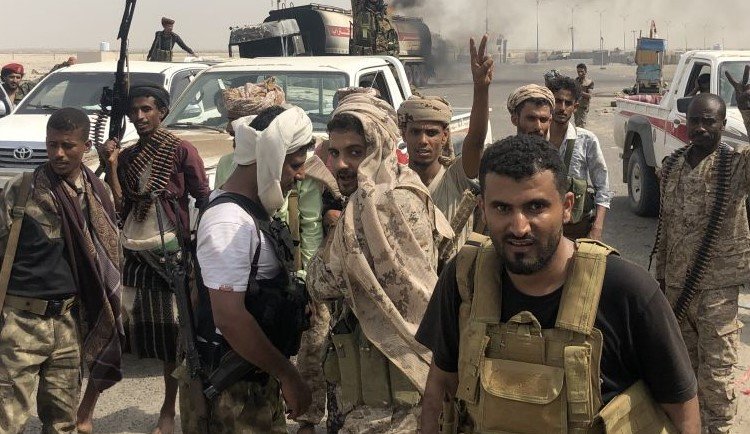
As Yemen‘s truce collapsed, Sunday night became the toughest night endured by Yemenis for months, as they waited for the news of the extension of the truce.
As the deadline passed, the people were left disappointed as minds began to wander, would the boom of relentless air strikes become commonplace again? Will the availability of fuel get even worse? What will happen to our sons on the front?
They would soon hear that clashes and shelling resumed across the country, including Taiz, Marib, and al-Dhale.
Yemen’s truce between the Houthi movement and forces loyal to the Yemeni government was brokered in April and immediately raised hope that a negotiated route out of the eight-year conflict could be found. Initially agreed for two months, the deal was renewed twice.
The agreement stood on three pillars: reopening Sanaa airport for commercial flights; allowing fuel ships to dock in Hodeidah; and working towards reopening roads in Taiz and other provinces.
“We enjoyed peace, and they were the best months since the war broke out,” Abdul Rahman Khalid, a Taiz resident said.
In the end, it was that last foundation that proved to be the agreement’s undoing.
Abdulrahman Khalid, a resident of Taiz city, said that despite the Houthi movement refusing to open the city’s roads, the ceasefire brought a much-needed moment of respite.
“It is true that during the last six months of the truce, there were some violations by warring parties, but we enjoyed peace, and they were the best months since the war broke out in our city,” he said.
“We hoped a new extension would lead to reopening roads to Taiz, but we were shocked to hear about the truce’s failure.”
People in Taiz realized the truce had failed long before any official announcement was made: “Last night the clashes resumed on different frontlines around the city and most Taiz residents heard that,” said Khalid.
The fear that accompanies the resumption of hostilities kept Khalid up all night.
“Those who are against the truce can come to spend a week near the frontlines and they will know how we are suffering,” he said.
UN estimates about death
The United Nations estimates that around 380,000 people have died as a result of Yemen’s conflict, which in 2015 drew in a Saudi-led coalition that has pummelled the country with air strikes and locked it under a strict blockade, in an attempt to roll back Houthi gains.
Before the truce was agreed upon, fighting was particularly hot in Yemen’s southwestern al-Dhale province, and it’s no surprise that those frontlines have become the most active again in recent hours.
Al-Dhale residents
Al-Dhale resident Ahmed is praying for the guns to fall silent again.
“We aren’t sure if the clashes last night were only by chance or if they will continue in the coming days,” he said as he told Middle East Eye about the situation.
“People near the frontlines were happy during the last six months, because there were no real threats, and they weren’t forced to flee their homes or be killed. But ending the truce brings this threat back.”
