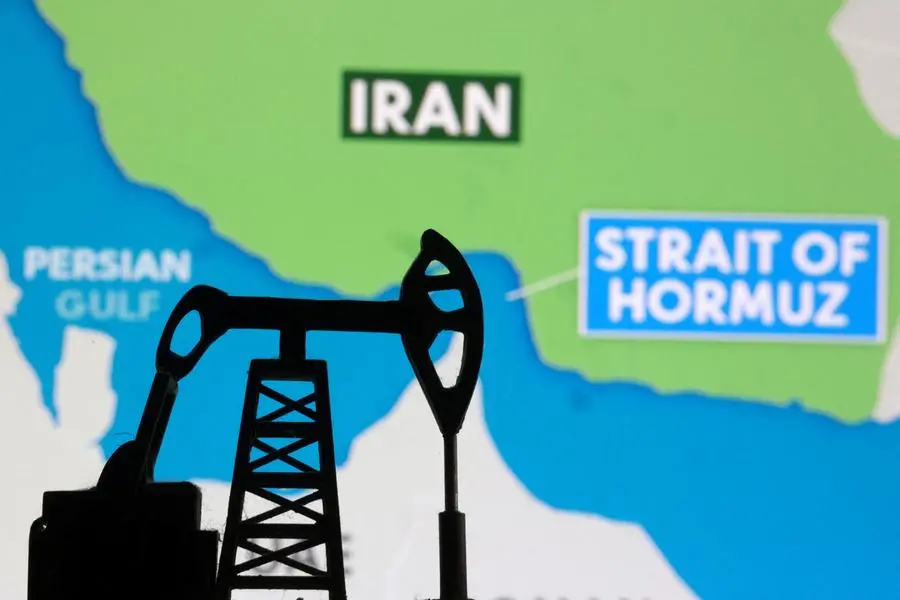
The United States Central Command (CENTCOM) has announced that a naval blockade targeting Iran will come into effect at 10:00 a.m. Eastern Time on April 13, although officials clarified that the operational scope is more limited than earlier remarks made by President Donald Trump had indicated.
According to CENTCOM, the measure will apply specifically to maritime traffic entering or departing Iranian ports along the Gulf and the Gulf of Oman. The directive is aimed at vessels directly linked to Iranian port operations rather than broader commercial shipping activity in the region.
However, the military emphasised that the Strait of Hormuz will remain open for international navigation. Ships travelling to and from non-Iranian ports will not be affected, ensuring that global shipping lanes through the vital energy corridor remain operational.
This clarification represents a narrower approach compared to earlier statements attributed to President Donald Trump, who had suggested that vessels allegedly paying tolls to Iran could be targeted even in international waters.
The latest CENTCOM guidance restricts enforcement to activity directly associated with Iranian ports.
The move follows the collapse of high-level diplomatic talks between the United States and Iran in Islamabad, after which Washington signalled increased pressure on Tehran through maritime enforcement measures.
Energy markets are closely monitoring the situation, given the Strait of Hormuz’s critical role in global oil and liquefied natural gas shipments. While the decision to keep the strait open for non-Iranian traffic has eased fears of immediate supply disruptions, analysts warn that geopolitical tensions in the region remain highly volatile.
