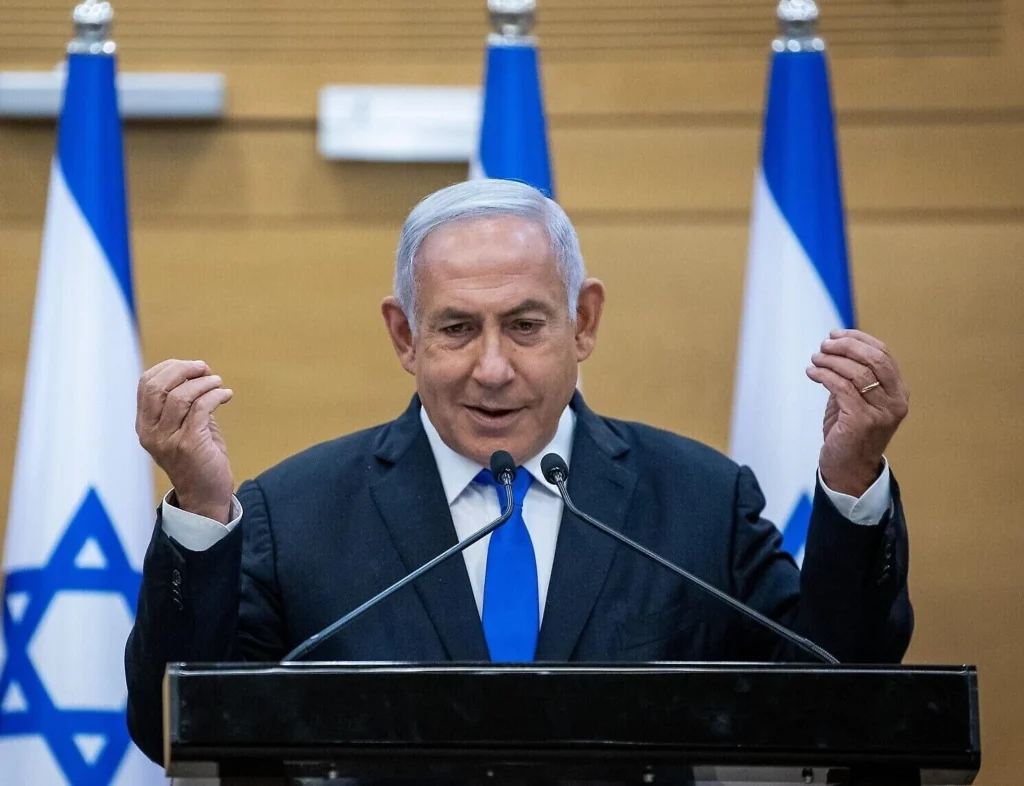
Jerusalem / Islamabad – In a carefully calibrated diplomatic response, Israel has formally endorsed the United States’ decision to temporarily suspend offensive strikes against Iran for a two-week period, while simultaneously clarifying that the cessation of hostilities does not extend to Lebanon.
The statement, issued by the office of Prime Minister Benjamin Netanyahu on Wednesday, marks Israel’s first official reaction to the landmark truce brokered by Pakistan.
Conditional Support for Washington’s De-escalation Push
The Prime Minister’s office affirmed Israel’s backing of President Donald Trump’s move, framing it as a potential diplomatic opening—provided that Tehran takes immediate and verifiable actions to de-escalate regional tensions. Specifically, Israel conditioned its support on two key demands:
-
Immediate opening of strategic waterways: Iran must permit unrestricted navigation through the Strait of Hormuz, a critical chokepoint for global oil supplies.
-
Cessation of all hostile operations: Tehran must halt all forms of attacks—whether direct or proxy-led—against the United States, Israel, and regional Arab nations.
The United States has told Israel that it is committed to achieving these goals, shares by the US, Israel and Israel’s regional allies, in the upcoming negotiations.
The two-weeks ceasefire does not include Lebanon.
— Prime Minister of Israel (@IsraeliPM) April 8, 2026
Israel further stated that it fully supports ongoing U.S. efforts to permanently neutralize Iran’s capacity to pose what it described as a “nuclear, missile, or terror threat” to American forces, Israeli territory, or Iran’s Arab neighbors.
The statement added that Washington had communicated to Jerusalem its unwavering commitment to achieving these shared strategic objectives during the upcoming negotiation track.
Explicit Exclusion of Lebanon
In a pointed divergence from the understanding presented by Pakistani mediators, Netanyahu’s office stressed: “The two-week ceasefire does not include Lebanon.” This clarification suggests that Israeli military operations against Iranian-backed entities operating from Lebanese territory—primarily Hezbollah—remain on the table, irrespective of the pause in strikes directly targeting Iranian soil.
Contrasting Narratives: Pakistan vs. Israel vs. U.S.
The apparent discrepancy over the ceasefire’s geographic scope has introduced a layer of diplomatic friction.
-
Pakistan’s Position: Prime Minister Shehbaz Sharif, who played a direct mediation role in brokering the U.S.-Iran understanding, had previously indicated that the truce was comprehensive, stating that it applied “everywhere including Lebanon.”
-
Iran’s Stated Terms: Iranian officials had reportedly made the “cessation of the war on all fronts, including against the Islamic resistance in Lebanon” a non-negotiable precondition for agreeing to the two-week pause.
-
United States’ Ambiguity: President Trump, in his public announcement of the suspension of strikes, made no explicit mention of Lebanon. CNN has since formally requested clarification from the White House regarding whether the ceasefire was intended to apply to Lebanese territory or Hezbollah-related targets.
Diplomatic Roadmap: Islamabad Talks Set for April 10
Amid the conflicting interpretations, a concrete diplomatic timeline has emerged. Iran confirmed on Wednesday that direct or facilitated negotiations with the United States are scheduled to commence on Friday, April 10, in Islamabad.
The talks are expected to focus on longer-term de-escalation, potentially including nuclear program oversight, missile development restrictions, and regional proxy warfare.
The two-week suspension of U.S. strikes, announced by Washington as part of broader efforts to reduce hostilities and create a “window for negotiations,” is widely seen as a confidence-building measure ahead of the Islamabad dialogue.
Strategic Implications
Israel’s nuanced stance reflects its broader security calculus: while open to diplomatic engagement with Iran under strict conditions, it remains unwilling to extend any truce to Lebanese territory, where it perceives Hezbollah’s missile arsenal and Iran’s logistical network as an immediate and ongoing threat.
The coming days will likely see intensified diplomatic shuttling between Washington, Jerusalem, Islamabad, and Tehran to resolve the geographic scope of the ceasefire before the April 10 talks begin.
