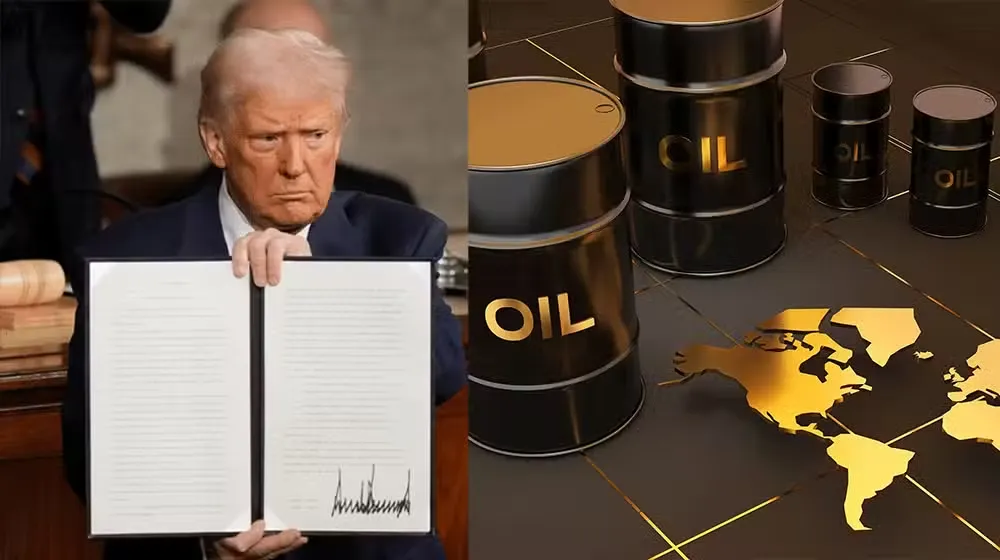
Global oil markets were jolted on Thursday as West Texas Intermediate surged to $112 per barrel, overtaking Brent crude at $107.57 for the first time in more than 15 years.
The rare reversal marks a dramatic shift in pricing dynamics. Traditionally, Brent trades at a premium to WTI due to its role as the benchmark for seaborne crude. WTI, which is landlocked and centered on the US market, typically sells at a discount. The current flip highlights acute supply stress and rising demand for immediately accessible oil in the United States.
Hormuz disruptions drive a “security premium”
Analysts attribute the surge primarily to disruptions and heightened risks around the Strait of Hormuz, a critical passageway for global oil shipments. With tanker traffic through the strait reportedly near standstill, buyers are scrambling for crude that can be delivered without exposure to maritime chokepoints.
As a result, WTI has effectively gained a “security premium,” reflecting its availability within the US and its ability to move freely without reliance on vulnerable sea routes.
Backwardation signals urgent demand
Market structure indicators underscore the urgency. WTI backwardation—where near-term prices trade significantly above later deliveries—has reached record levels. This suggests buyers are willing to pay extra for crude they can secure immediately, rather than wait for future shipments.
Part of Thursday’s price gap is technical. WTI’s front-month contract reflects May delivery, while Brent has already rolled to June. However, traders say the broader move is demand-driven and rooted in real-world supply concerns.
Geopolitics amplify price surge
Oil prices accelerated further after Donald Trump warned that the United States could “hit Iran extremely hard,” escalating fears of a wider conflict. Following the remarks, oil prices jumped more than 10 percent in a single session.
European officials are reportedly discussing the formation of a coalition to restore safe passage through Hormuz, but markets remain unconvinced that a swift resolution is imminent.
A historic shift in oil pricing
The last time WTI consistently traded above Brent was before 2011, making the current inversion a historic event. Energy analysts say the development shows how geopolitical risk, logistics, and accessibility are now outweighing traditional quality and benchmark considerations.
For now, WTI has emerged as the world’s most prized barrel—representing not just crude oil, but certainty of delivery in an increasingly unstable global energy landscape.
