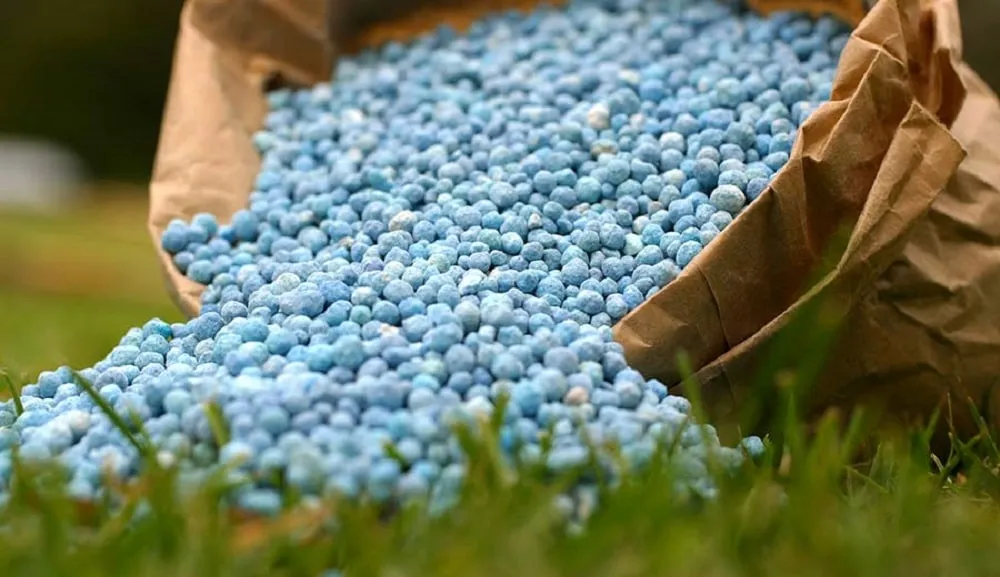
Disruptions linked to escalating geopolitical tensions in the Middle East have triggered a sharp tightening in global fertilizer supplies, sending international urea prices to $740–750 per tonne, according to industry estimates.
The Gulf region, which accounts for roughly one-third of global urea exports, has been hit by production slowdowns, shipping delays and feedstock shortages, sharply reducing export availability.
The supply shock has rippled through global markets, placing significant strain on fertiliser-importing countries, including Pakistan.
Import Costs Surge for Pakistan
Pakistan, which relies on imports to supplement domestic fertilizer output, is facing sharply higher landed costs. Imported urea is now estimated to cost between Rs. 13,700 and Rs. 14,700 per bag, more than three times the price of locally produced urea, which sells at around Rs. 4,400 per bag.
The disparity pinpoints the importance of domestic production in insulating farmers from global price volatility and preventing sudden spikes in agricultural input costs.
Stocks Adequate for Kharif Season
Officials and analysts estimate that Pakistan currently holds around 0.9 million tonnes of urea, which should be sufficient to meet demand during the upcoming Kharif cropping season, provided domestic plants continue operating without disruption.
Local production has so far helped stabilise fertilizer availability and avoided broader inflationary pressures. Rising fertilizer prices typically lead to reduced application, weaker crop yields and higher food prices.
DAP Supply Remains a Weak Spot
The outlook is less reassuring for Di-Ammonium Phosphate (DAP) fertilizer. Pakistan produces only about 0.7 million tonnes annually, while demand can reach 2.3 million tonnes, leaving the country heavily dependent on imports.
Market participants warn that prolonged global supply disruptions could push DAP prices even higher, increasing costs for farmers and adding pressure to food inflation. Experts say ensuring uninterrupted gas supplies to local fertilizer plants and accelerating capacity expansion will be critical to reducing long-term exposure to global shocks.
