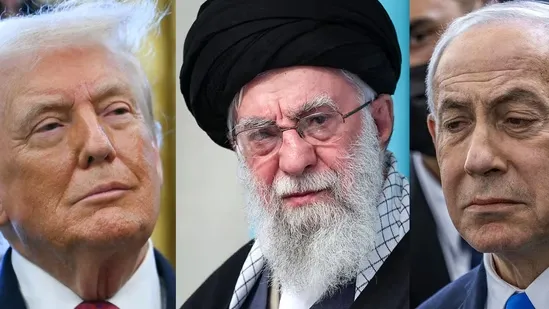
Tensions in the Middle East deepened on Monday as the conflict involving the United States, Israel, and Iran entered a more dangerous phase, with Tehran’s top security official declaring that negotiations with Washington are no longer an option.
The growing risk of a wider regional war rattled global financial markets. Oil prices surged sharply, with U.S. crude and Brent jumping more than 8% at one point, as investors feared potential supply disruptions from the Middle East.
Although prices later trimmed some gains, energy markets remain on edge due to Iran’s strategic position near major oil routes.
As risk appetite faded, traditional safe havens benefited. Gold prices climbed, while U.S. stock futures slipped and Asian equity markets traded broadly lower, reflecting investor anxiety over geopolitical uncertainty and economic fallout.
Also read: US-Israel Air Strikes on Iran School Kill Over 150 Girls
Iranian state media reported that more than 200 people have been killed inside Iran since hostilities intensified. Meanwhile, Washington confirmed that three American service members lost their lives, with five others critically injured, marking a significant escalation in U.S. involvement.
President Donald Trump warned that further American casualties were possible and suggested the conflict could extend for several weeks. At the same time, he claimed that Iran’s new leadership had signaled interest in renewed talks, though no details were provided.
The strikes have also reignited debate in Washington over presidential war powers and congressional oversight.
Also read: Oil prices surge over 7pc as Israel strikes Iran
Adding to the uncertainty, the death of Iran’s Supreme Leader Ayatollah Ali Khamenei has triggered a fragile leadership transition.
A temporary governing council has taken charge, including senior cleric Ayatollah Alireza Arafi and President Masoud Pezeshkian, as the country navigates both internal change and external pressure.
With diplomacy stalled, markets volatile, and regional alliances under strain, analysts warn that the coming weeks could prove decisive for Middle East security and the global economy.
