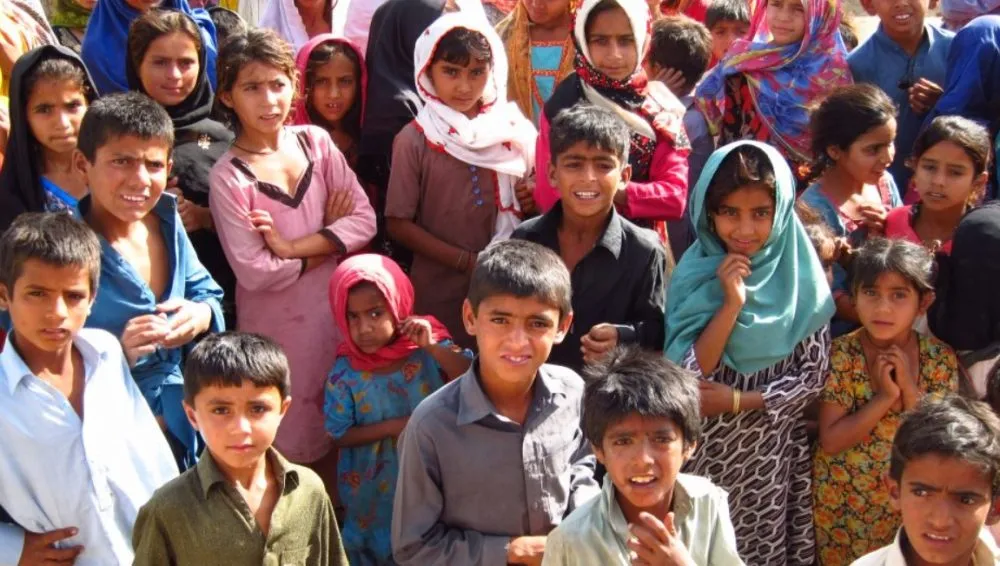
Pakistan’s poverty rate has surged to 28.8 percent in fiscal year 2025, according to the latest official estimates, highlighting growing financial pressures on households as the country prepares for an upcoming International Monetary Fund (IMF) review mission.
The figure marks a sharp rise from 21.9 percent in 2019, representing nearly a 7 percent increase over six years, and signals worsening economic conditions for millions of Pakistanis.
Officials attribute the rise in poverty to multiple factors, including high inflation, low economic growth, and external shocks. The lingering effects of the Covid-19 pandemic, fluctuations in global commodity prices, and climate-related disasters, such as floods, have further exacerbated financial hardship.
Provincial trends show significant increases in Punjab and Sindh, indicating that the problem is national rather than localized. The rising poverty estimates coincide with Pakistan’s engagement with the IMF under multiple stabilization programs, which have required fiscal tightening and subsidy reforms.
While these measures aim to stabilize the macroeconomy, they have also intensified cost-of-living pressures, particularly for lower-income households.
Recent policy changes, including the removal of wheat support prices and adjustments in energy tariffs, have further strained household incomes.
Analysts note that despite signs of macro-level stabilization in recent months, poverty reduction remains a major challenge for the government. The forthcoming IMF review is expected to assess not only fiscal performance but also the social impact of ongoing reforms, as authorities strive to balance economic stability with public welfare.
