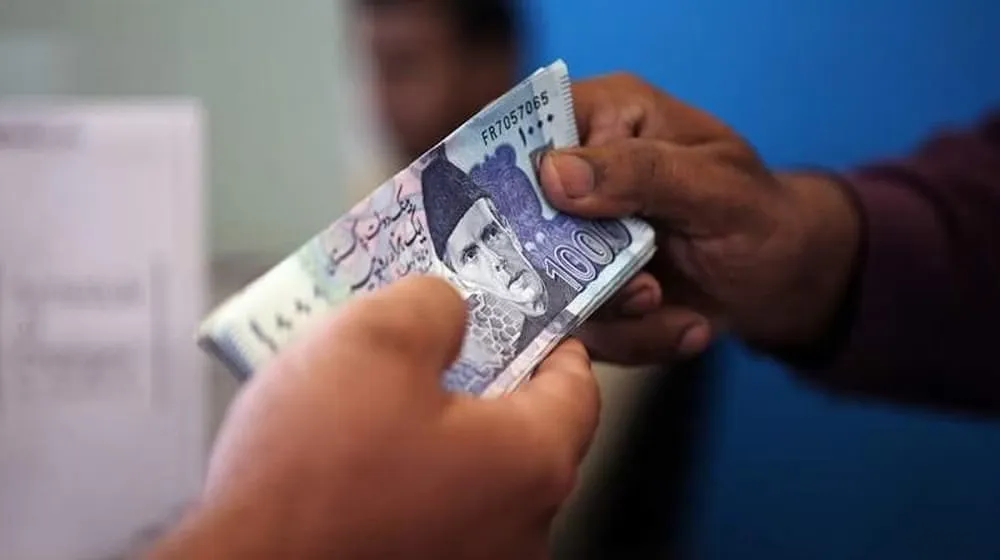
The federal government of Pakistan is preparing targeted relief measures for the salaried class and registered businesses in the upcoming federal budget while expressing confidence that the country’s economic growth will exceed international projections, Adviser to the Finance Minister Khurram Shahzad said.
Targeted Relief for Salaried Individuals and Compliant Businesses
In an exclusive interview, Shahzad revealed that the government is designing budgetary measures to ease the financial burden on taxpayers within the documented economy. Plans include reduced energy tariffs and rationalized tax rates aimed at providing tangible relief to compliant businesses and individuals.
Economic Growth Projected Above Global Forecasts
Shahzad projected GDP growth of up to 4 percent for the current fiscal year, increasing to around 5 per cent next year. He highlighted that remittances are expected to exceed $41 billion, providing crucial support to Pakistan’s external account.
Also read: FBR Adds AJK and Gilgit-Baltistan Taxpayers to Federal Active Taxpayers’ List
He added that Pakistan’s growth is expected to outperform estimates by international financial institutions, including the International Monetary Fund (IMF), reflecting the government’s confidence in ongoing structural and economic reforms.
Engagement with IMF and Structural Reforms
Preparations for the next IMF economic review are underway. Shahzad acknowledged Pakistan’s historical reliance on IMF programs due to structural weaknesses but emphasized that current policies are focused on sustainable economic stability and avoiding repeated balance-of-payments crises.
As part of structural reforms, 24 state-owned enterprises burdening public finances are slated for privatisation, alongside institutional restructuring and energy sector reforms.
Inflation Eases, Household Income Expected to Rise
The finance adviser noted a significant reduction in inflation, falling from 25–30 percent to around 5 percent, providing relief to households. The government aims to increase citizens’ earning capacity while improving economic stability to boost exports and support long-term growth.
Challenges in Tax Collection Highlighted
Shahzad also flagged weak tax collection at the provincial level. The federal government collected Rs13 trillion last year, bringing the federal tax-to-GDP ratio to 11.3 percent, below the global benchmark of 18 percent.
Provincial tax revenues, however, totaled only Rs979 billion (0.85 percent of GDP), far below the target of 3 percent of GDP. To meet the 2028 goal, provincial tax collections would need to triple over the next five years, highlighting the need for stronger revenue mobilization.
