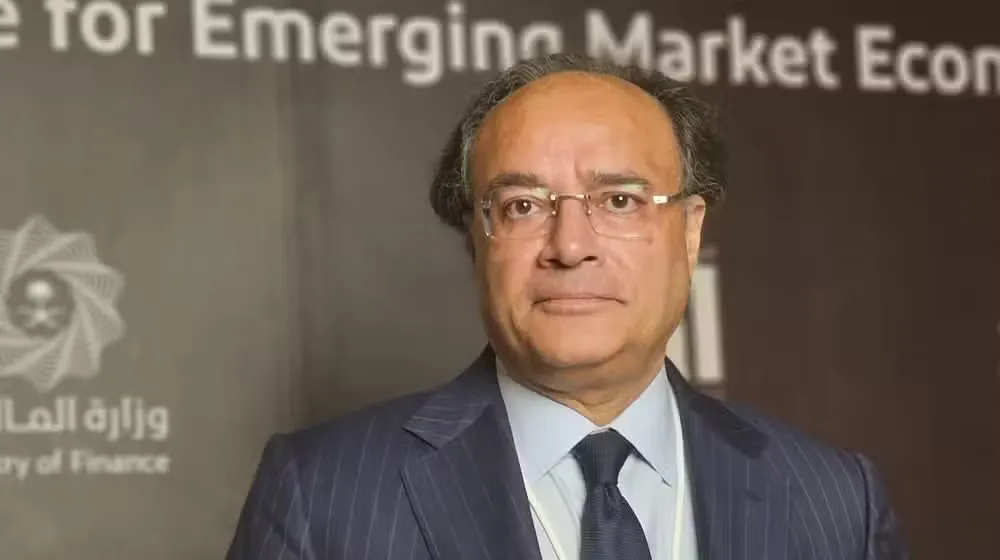
Pakistan’s foreign remittances are projected to exceed $41 billion this year, providing major support to the country’s external account and foreign exchange reserves, according to Federal Minister for Finance and Revenue Muhammad Aurangzeb.
Speaking at the Pakistan Policy Dialogue on Wednesday, the finance minister said remittances stood at $38 billion in the previous financial year and are now expected to rise sharply, reflecting growing confidence among overseas Pakistanis and improving macroeconomic stability.
Structural Reforms Underway at FBR and Key Economic Sectors
Aurangzeb said the government is pursuing structural reforms across multiple sectors, including a major transformation drive at the Federal Board of Revenue (FBR). He emphasized that tax policy formulation now rests with the Ministry of Finance, while the FBR’s role has been limited strictly to revenue collection and enforcement.
He added that the government is prioritizing tax compliance and enforcement as the primary tools for implementing fiscal laws, aiming to broaden the tax base and reduce evasion.
Privatization Drive and SOE Reforms to Cut Fiscal Losses
The finance minister said privatization efforts are gaining momentum, noting that local investors participated in the privatization of Pakistan International Airlines (PIA). He added that 24 state-owned enterprises (SOEs) have been transferred to the Privatisation Commission for restructuring or divestment.
Highlighting the financial burden of inefficient SOEs, Aurangzeb said losses were costing the economy nearly Rs. 1,000 billion annually. As part of cost-cutting measures, the government has shut down entities such as the Utility Stores Corporation, Pakistan Public Works Department (PWD), and PASSCO, where subsidies were being misused and governance issues were prevalent.
Duty Rationalization and Cost of Doing Business
Addressing fiscal policy, Aurangzeb warned that frequent increases in duties and taxes were harmful to economic growth. He stressed the need to rationalize import and regulatory duties and lower the cost of doing business to support industrial expansion and exports.
Debt Management Reforms and Interest Savings
Debt servicing remains the largest expenditure in the federal budget, the minister said, adding that a dedicated Debt Management Office has been established to improve borrowing strategy and reduce financing costs.
He revealed that the government saved approximately Rs. 850 billion in interest payments last year and expects similar savings in the current fiscal year. With declining policy interest rates, he said pressure on public finances is expected to ease further.
Panda Bonds Planned to Diversify Financing Sources
To expand external financing options, Aurangzeb announced plans to issue Panda Bonds in the Chinese capital market. He said the bond issuance is expected within the next two weeks and will help diversify funding sources beyond traditional international markets.
Investor Confidence Improves, Stock Market Participation Rises
Citing recent surveys, the finance minister said 73 percent of investors now support investing in Pakistan, up from 61 percent earlier, signaling improving business sentiment and market confidence.
He added that private sector credit has reached Rs. 1.1 trillion, while 135,000 new investors have entered the Pakistan Stock Exchange. Stock market investment has increased by 41 percent over the past 18 months, reflecting stronger capital market activity.
Manufacturing Growth and Expanding Freelance Economy
Aurangzeb said large-scale manufacturing showed positive growth in the first quarter of the current financial year. He also highlighted Pakistan’s growing role in the global digital economy, noting that the country now has the third-largest freelancer workforce in the world.
He stressed that the government’s role is to provide digital infrastructure, regulatory support, and platforms to help young people participate in global markets.
IMF, Current Account Outlook, and Long-Term Growth Vision
Recalling economic pressures from four years ago, the minister said Pakistan faced a severe foreign exchange crisis, forcing it to return to the International Monetary Fund (IMF). While the trade deficit has widened, he said the current account remains within program targets.
Looking ahead, Aurangzeb said Pakistan could only achieve its ambition of becoming a $3 trillion economy by 2047 if population growth is controlled and productivity-enhancing reforms are sustained.
