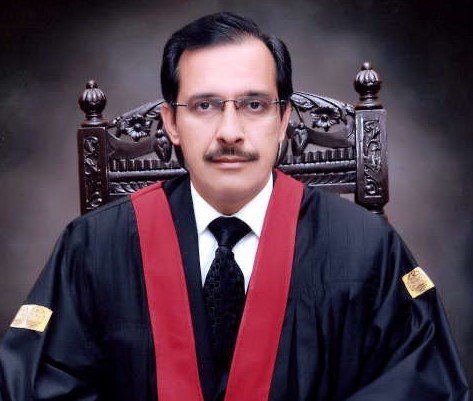
The Lahore High Court recognized the constitutional right to criticize government institutions and ruled that Section 124-A of the sedition Law was unconstitutional.
The Lahore High Court ruled that Section 124-A of the sedition law violates the Constitution.
Justice Shahid presided bench
Shahid Karim is a Pakistani jurist who has been Justice of the Lahore High Court since 7 November 2014. He presided over a single bench of the high court on Thursday as it delivered the judgment on identical petitions challenging the sedition law that had been reserved two weeks prior.
Section 124-A of Sedition law a colonial legacy
Petitioner’s counsel Abuzar Niazi Advocate had argued: “Sedition laws are a legacy of the colonial history which were framed in 1860 and were used against slaves. Pakistan’s constitution gives freedom of expression and opinion to every citizen. Even today, people are being booked under Section 124-A (sedition) over speeches against the government.”
Also Read: James Fitzjames Stephen: The man behind Pakistan’s sedition law
During the last hearing, Deputy Attorney General Asad Ali Bajwa represented the federal government.
The court had then directed the federal government to submit details of sedition cases filed in 12 months.
Final remarks
“The sedition law initially seems very ambiguous,” Justice Shahid Karim had remarked. DAG Asad Ali Bajwa had argued that Section 124-A had been in accordance with the Constitution.
PTI leader and former federal information minister Fawad Chaudhry has welcomed the LHC judge’s ruling.
بڑی خبر ! لاہور ہائیکورٹ نے فوجداری قانون کی دفعہ 124-A کو آئین سے متصادم قرار دے دیا، ریاستی اداروں تنقید کا آئینی حق تسلیم کر کیا گیا ہے، اس فیصلے سے میرے مقدمے سمیت درجنوں سیاسی بنیادوں پر بنائے مقدمے ختم ہو جاتے ہیں بہت اعلی اور آزادی کے اصولوں کو تسلیم کیا جانیوالا فیصلہ ۔۔
— Ch Fawad Hussain (@fawadchaudhry) March 30, 2023
It is significant to note that Justice Shahid was one of only two judges to find Pervez Musharraf guilty of high treason and sentence him to death. Justice Shahid was a member of the special court that heard the case.
This was the first time in Pakistan‘s history that a military dictator was convicted of high treason. He disagreed with Para 66 of the verdict in which presiding judge Waqar Ahmed Seth directed law enforcement agencies to find Musharraf’s body in case he dies without experiencing the punishment of hanging to death and dragging his body to D-Chowk of Islamabad and hanging it there three days.
Lahore High Court
The Lahore High Court is based in Lahore, Pakistan. It was established as a high court on 21 March 1882. The Lahore High Court has jurisdiction over Punjab (Pakistan).
The High Court’s principal seat is in Lahore, but there are benches in three other Pakistani cities: Rawalpindi, Multan, and Bahawalpur.
