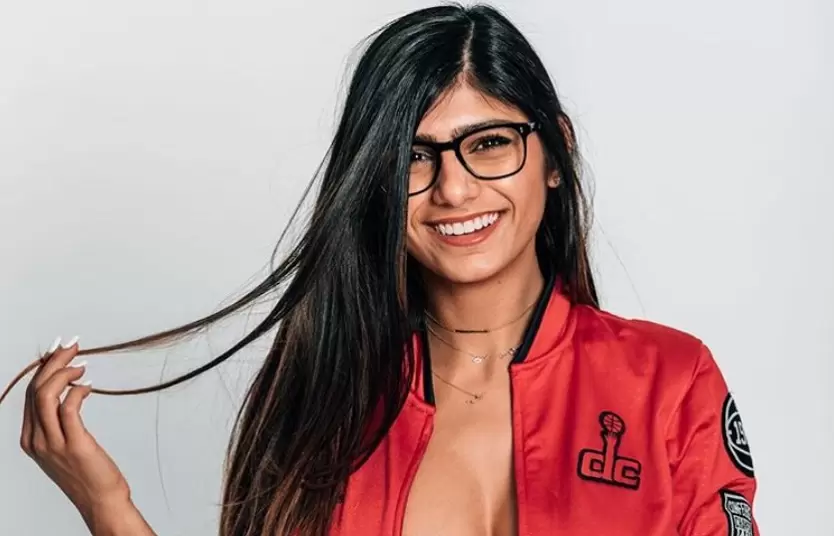
Few songs in recent memory have followed a stranger trajectory than “Mia Khalifa” by the Atlanta-based hip hop duo iLOVEFRiDAY. What began as a response to a fabricated social media post evolved into one of the most ubiquitous tracks on TikTok, spawning billions of views, countless memes, and a cultural conversation about misogyny, compensation, and the unpredictable nature of internet fame.
The song, also known as “Hit or Miss” after its most famous lyric, remains a fascinating case study in how viral success can emerge from the most unlikely circumstances.
Background: The Fake Tweet That Started Everything
The story of “Mia Khalifa” begins not in a recording studio but on Instagram. In early 2018, an account posted a screenshot of what appeared to be a tweet from Mia Khalifa, the Lebanese-American former pornographic actress turned sports commentator and internet personality. The fake tweet criticized Aqsa Malik, one half of iLOVEFRiDAY, who performs under the name Smoke Hijabi.
Malik, a Pakistani-American woman, had appeared in the music video for the group’s 2017 song “Hate Me” smoking a blunt while wearing a hijab—a traditional veil worn by some Muslim women to maintain Islamic standards of modesty. The fabricated tweet read: “She’s so disrespectful to all Muslim women and gives us a bad image.”
There was just one problem: not only was the tweet fake, but Mia Khalifa is not and never has been Muslim. She was raised in the Catholic Church in Lebanon and is non-practicing. The screenshot was intended as a joke, but Malik took it seriously. She was shocked by what she perceived as hypocrisy, given Khalifa’s notoriety for appearing in a pornographic video performing sex acts while wearing a hijab.
Malik later said in an interview that smoking while wearing a hijab is “not nearly as bad” as what Khalifa had done in a hijab. Fueled by fan demand for a response, iLOVEFRiDAY recorded “Mia Khalifa” as a diss track.
Release and Initial Reception
The song was self-released on February 12, 2018, and its music video followed on March 4, 2018. Produced by Carrington Hyatt, known as Xeno Carr, the track features sound effects from the arcade fighting game Street Fighter II, including the Capcom logo jingle, “Fight!” and “Perfect!” announcer clips, and a triumphant “You win!” at the end.
Also read: The life journey of Mia Khalifa
The music video reportedly garnered approximately 5 million views in the months before it became a viral phenomenon. On December 14, 2018, the song was re-released by Records Co and Columbia Records, signaling that the industry had taken notice of its growing popularity. In May 2019, the song was included as the first track on iLOVEFRiDAY’s second EP, titled “Mood.”
However, the original video was briefly removed in May 2019 due to a copyright infringement claim from Romanian artist Livia Fălcaru, whose original artwork appeared in the video without permission. The video was later reuploaded with the art pixelated.
The “Hit or Miss” Verse: Anatomy of a Meme
The most famous portion of “Mia Khalifa” is Malik’s verse, which opens with lines that became an internet sensation:
“Hit or miss, I guess they never miss, huh?
You got a boyfriend, I bet he doesn’t kiss ya.
He gon’ find another girl and he won’t miss ya.
He gon’ skrrt and hit the dab like Wiz Khalifa.”
Critics have described Malik’s delivery as unconventionally catchy, distinctively off-key, and piercingly direct. At Pitchfork, Duncan Cooper wrote that Malik was captured “at her absolute brattiest,” with an “almost Midwestern whine” in her voice despite her Atlanta origins. He described her melodies as “straight and piercing, catchy to an obnoxious degree.”
The song itself is sometimes referred to simply as “Hit or Miss” because of these lines. The 15-second snippet became the foundation for millions of TikTok videos and a call-and-response meme known as the “#hitormiss challenge” or “#TikTokTest”.
The Viral TikTok Explosion
“Mia Khalifa” became ubiquitous on TikTok in late 2018 and early 2019, demonstrating the platform’s growing power as a music discovery engine. The song’s viral journey began when a high school student from South Dakota named Cheyanne Hays first uploaded the 15-second “hit or miss” snippet to TikTok. British user Georgia Twinn then made a highly popular video using the same clip, drawing greater attention.
The true catalyst, however, was American cosplayer NyanNyanCosplay (known online as Kat), who lip-synced the song while cosplaying as Nico Yazawa from the Japanese multimedia franchise Love Live! Kat’s video spread to YouTube, where PewDiePie—then the most popular individual YouTuber—reused her clip multiple times in his own videos. English cosplayer Belle Delphine, noted for popularizing the e-girl aesthetic, also uploaded a viral video of herself lip-syncing and dancing to the song.
The #hitormiss challenge encouraged TikTok users to wander into public spaces such as big-box stores or schools and call out “hit or miss,” hoping to elicit the response “I guess they never miss, huh?” from a stranger. The premise was that the phrase had become so well-known among TikTok users that it could serve as a secret handshake to identify fellow app users in the real world.
Mind-Boggling Metrics
The numbers behind the song’s viral success are staggering:
-
By late October 2018, more than 1.3 million different TikTok videos used the same audio sample.
-
By December 2018, that number had grown to over 2.5 million videos.
-
By February 2019, at least 4 million “Mia Khalifa” videos had been uploaded to TikTok.
-
The original music video had been viewed more than 50 million times.
-
Snippets from the song had been played across YouTube approximately 200 million times.
-
As of June 2020, TikTok videos including “Mia Khalifa” had been viewed over 865 million times in total.
-
Videos tagged with #hitormisschallenge accumulated 93.7 million views by April 2019.
-
By May 2019, #hitormiss videos reached 250 million total views.
The song also reached number one on Spotify’s Global Viral 50 chart, ranking the most-streamed independent songs on the platform, and it consistently charted near the top for several months. The lyrics were the 18th most-read on Genius in the first half of 2019, ranking ahead of hits like Ed Sheeran’s “I Don’t Care” and Billie Eilish’s “Wish You Were Gay.”
Critical Reception: Praise and Condemnation
Opinions on “Mia Khalifa” are sharply divided. A panel at Vice roundly condemned the song, calling it “upsettingly misogynistic in a really specific and sick way” and “really off-key and shitty-sounding.” The panel suggested iLOVEFRiDAY should issue a formal apology to Khalifa.
The college newspaper KentWired expressed similar sentiments, accusing the song of “pettiness” and criticizing Malik’s “grating voice” and the bland production. American rapper Bhad Bhabie criticized the song as inappropriate for children, noting that seven-year-olds scrolling through TikTok might not understand the explicit references.
However, others have praised the song’s unconventional catchiness. The Minnesota Daily noted that “the song itself rose to notoriety not because of its associations with Mia Khalifa, but rather due to a bizarrely catchy rap bridge.”
Mia Khalifa’s Response
In an interview with YouTuber Anthony Padilla, Khalifa stated that she was deeply hurt by the song. She said she became terrified of going on TikTok, fearing she would be shamed and harassed by users repeating the track’s lyrics. According to Reed Kavner of Tubefilter, “it’s worth reiterating that [Khalifa] was an innocent bystander in all of this. She was the subject of a diss track after doing absolutely nothing.”
Despite the song’s massive popularity, Khalifa has largely moved on. She maintains 2.3 million Twitter followers and a successful YouTube channel alongside her boyfriend, celebrity chef Robert Sandberg.
Compensation and the TikTok Royalties Debate
Despite their song’s breakthrough success, iLOVEFRiDAY initially had not licensed it for use on TikTok and never received direct compensation from the company. According to a Pitchfork estimate, the group likely netted approximately $150,000 in royalty payments from YouTube views alone. Their manager, Terrance Rowe, did not confirm that figure but laughed, suggesting the estimate was close or perhaps too low.
By early 2019, iLOVEFRiDAY had worked out a deal with TikTok granting free use of the song in exchange for promotion of their future music. Rowe justified the decision by emphasizing that the exposure opportunity would be more valuable than demanding compensation for past views.
The situation has drawn criticism of TikTok’s royalty payment structure. Cody Atkinson of Australian BMA Magazine said TikTok’s payment seemed worse than streaming services or even busking. Brett Gurewitz of the legendary punk rock band Bad Religion compared the situation to “what we saw with Chuck Berry getting a Cadillac instead of royalties.”
Legacy and Influence
“Mia Khalifa” has been identified as a predecessor to Lil Nas X’s “Old Town Road,” another song by an unknown, unsigned artist that found viral success through TikTok. While other songs reached comparable popularity on the app around the same time—including Ariana Grande’s “Thank U, Next”—”Mia Khalifa” was different because its success was completely spontaneous. Grande was already a mainstream artist with major promotion, while iLOVEFRiDAY had minimal backing and an unconventional style that did not seem calibrated for broad appeal.
The song demonstrated how social media platforms, particularly TikTok, function as essential discovery mechanisms for new music. It also highlighted the complex ethical and financial questions surrounding viral content, including the treatment of subjects like Khalifa, the compensation of artists, and the responsibilities of platforms that profit from user-generated content.
