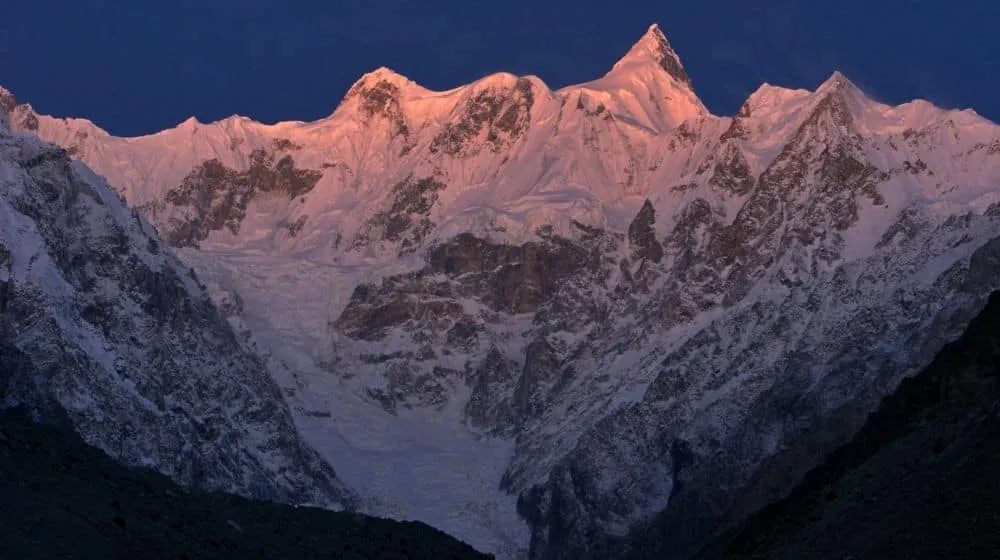
Pakistan has drafted a National Glaciers Preservation Strategy to tackle growing risks from accelerated glacier melt, which threatens water security, ecosystems, and mountain communities.
The move comes as rising temperatures increasingly impact river flows and seasonal water availability across the country.
Stakeholder Consultations Underway
The draft strategy has been prepared by the Ministry of Climate Change and Environmental Coordination and is currently under stakeholder consultation. Inputs are being sought from federal and provincial departments, climate experts, and development partners to ensure a comprehensive national approach.
Strengthening Glacier Monitoring and Water Planning
A major focus of the strategy is systematic glacier monitoring and integrating glacier data into national and provincial water planning. Officials stress that accurate data and forecasting are crucial for managing future water risks linked to climate change.
Also read: National AI Conference 2026: Pakistan to Boost Artificial Intelligence Ecosystem
Reducing Risks of Glacial Floods
The draft prioritizes early warning systems to mitigate risks from glacial lake outburst floods (GLOFs), which pose serious threats to settlements, infrastructure, and livelihoods in glacier-dependent regions. It also emphasizes improved preparedness and response mechanisms, as well as federal-provincial coordination for effective implementation.
Aligning with Climate Adaptation Goals
According to the ministry, the strategy aligns glacier preservation efforts with Pakistan’s broader climate adaptation and resilience agenda, recognizing glaciers as a vital component of the country’s water and environmental systems.
Pakistan hosts one of the largest concentrations of glaciers outside the polar regions, making the strategy critical for long-term water sustainability and climate resilience.
