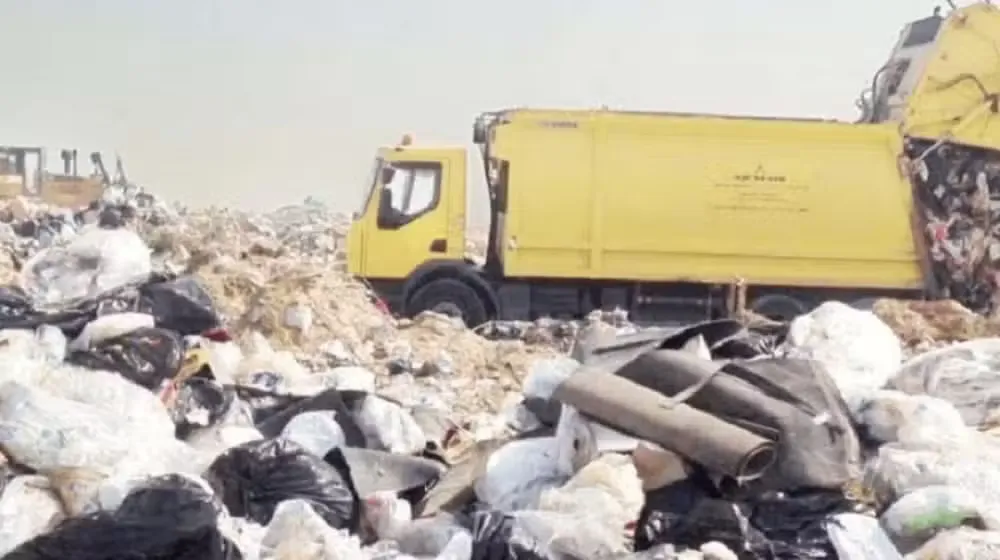
Kuwait is moving toward introducing new waste management fees for businesses and private entities as part of efforts to improve environmental protection and modernize waste handling systems.
The proposal was presented by Municipal Council member Alia Al-Farsi, who suggested that commercial waste generators should bear the cost of disposal, treatment, and destruction of waste at approved facilities.
Fees to Be Calculated Per Ton of Waste
According to local media reports, the proposal calls for a technical and legal assessment to determine waste management charges on a per-ton basis.
The plan also recommends:
-
Establishing clear enforcement mechanisms
-
Introducing digital tracking systems for waste collection vehicles
-
Improving monitoring of disposal operations
These measures aim to ensure transparency and prevent illegal dumping.
Residential Sector to Remain Exempt
Under the proposed framework, only commercial and private waste producers would be required to pay the new fees, while households and residential communities would not be affected.
Al-Farsi said the initiative is grounded in existing laws, including:
-
Kuwait Municipality Law
-
Municipal Waste Management Regulations
The proposal aligns with national legal frameworks governing public hygiene and environmental protection.
“Polluter Pays” Principle at the Core of Policy
The plan is based on the internationally recognized “polluter pays” principle, which holds that those who generate pollution should cover the cost of managing it.
Officials believe this approach will:
-
Encourage waste segregation at source
-
Promote recycling and reuse
-
Reduce pressure on landfills
Funds to Support Recycling and Environmental Rehabilitation
Revenue generated from the waste management fees would be allocated to:
-
Upgrading waste treatment infrastructure
-
Rehabilitating environmentally damaged land
-
Supporting Kuwait’s recycling sector
Authorities hope this will strengthen long-term environmental sustainability.
Urban Growth Driving Need for Stronger Waste Controls
Highlighting environmental challenges, Al-Farsi noted that rapid urban development and population growth have significantly increased waste generation across Kuwait.
She emphasized that stronger accountability measures are necessary to meet national environmental standards and improve overall public hygiene.
