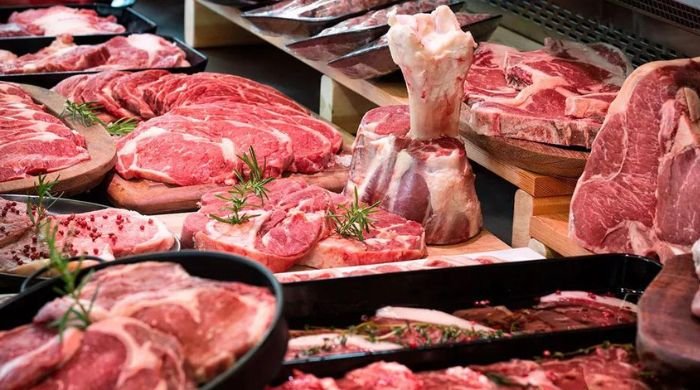
Women eat less meat than men, according to a new study.
A recent study published in the journal Nature Scientific Reports, analyzing data from 21,000 individuals across 23 countries, highlights a gender disparity in meat consumption, with men eating more meat than women.
The study, which also found a wider gap in wealthier and more gender-equal nations, has prompted experts to suggest that women might benefit from eating more meat due to its nutritional advantages.
Nutritional Benefits of Red Meat:
Red meat is lauded for its rich nutritional profile.
Dietitian Michelle Routhenstein points out that it is a valuable source of high-quality protein, essential for muscle and bone repair, and loaded with vital nutrients like Vitamin B, iron, and zinc.
Also read: Why has UAE banned fresh meat import from Pakistan by sea?
Protein supports muscle and bone health, while Vitamin B is crucial for brain function and cell production.
Zinc is important for a strong immune system, and iron plays a key role in blood circulation.
Health Risks of Red Meat:
Despite these benefits, red meat also has its downsides.
It is high in saturated fats, which can raise levels of LDL (“bad”) cholesterol, potentially leading to atherosclerosis (the hardening of arteries) and increased risk of heart disease.
A study by Oxford University last year linked high red meat consumption to a greater likelihood of developing heart disease, with processed meats posing an 18% higher risk.
Furthermore, red meat consumption has been associated with an elevated risk of certain cancers, including colon and rectal cancers, due to carcinogenic compounds formed during processing and cooking.
Gender-Specific Considerations:
Both men and women derive nutritional benefits from red meat, but there are specific considerations for women, especially those of childbearing age.
Dietitian Edwina Clarke emphasizes the importance of iron for women, as they lose blood during menstruation, increasing their need for this vital nutrient.
Iron deficiency is prevalent among women and girls, with nearly 40% of those aged 12 to 21 found to be iron-deficient, according to a study published in JAMA.
Adequate iron intake is crucial to prevent anemia and maintain overall health.
Expert Recommendations:
Experts recommend that both men and women consume red meat in moderation.
A balanced diet that includes a variety of protein sources, such as poultry, fish, legumes, and plant-based proteins, can help meet nutritional needs without the risks associated with high red meat consumption.
Incorporating a diverse range of foods, particularly fruits, vegetables, and whole grains, can further promote health and well-being.
