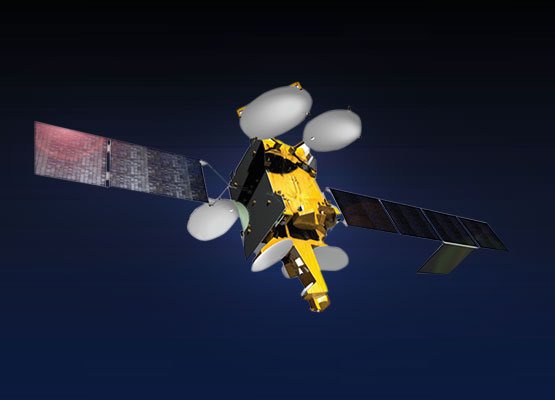
Pakistan to launch another satellite, PAKSAT MM1, with China.
The Space and Upper Atmosphere Research Commission (Suparco) has announced the upcoming launch of Pakistan’s Multi Mission Communication Satellite, PAKSAT MM1, with China.
Scheduled for May 30, 2024, the launch will take place from the XiChang Satellite Launch Centre (XSLC) in China.
A Landmark in Technological Cooperation:
PAKSAT MM1 is a joint venture between Suparco and the Chinese aerospace industry, developed to address Pakistan’s increasing demand for enhanced communication and connectivity.
The project is part of the National Space Program 2047, reflecting the deepening technological collaboration between Pakistan and China.
“This satellite project is a hallmark of technological cooperation between the People’s Republic of China and Pakistan,” Suparco stated.
Also read: India’s ISRO vs Pakistan’s SUPARCO: A comparative analysis
The agency emphasized that PAKSAT MM1, leveraging advanced communication technologies, will play a crucial role in the socio-economic upliftment of Pakistan.
Pivotal for Digital Transformation:
Suparco highlighted that PAKSAT MM1 will be instrumental in transforming Pakistan into a “Digital Pakistan.”
The satellite’s capabilities are expected to bridge communication gaps, support connectivity, and foster digital advancements across the nation.
#Pakistan/#China plans to launch a new communications satellite “PAKSAT-MM1” into space in July 2024. 🇵🇰
The satellite will be available for its services by the end of August 2024, as per plan. This high-power multi-mission satellite will provide services in C, Ku, and Ka Bands.… pic.twitter.com/rkfr2HO1Et
— Umair Aslam (@Defense785) March 16, 2024
The launch event will be broadcast live from Suparco’s establishments in Karachi and Islamabad, allowing the public and media to witness this significant milestone.
Pakistan’s Growing Space Presence:
PAKSAT MM1 will join an array of Pakistani space assets launched over the years, including BADR-A, BADR-B, PAKSAT 1-R, PRSS-1, PakTes 1-A, and iCube Qamar.
Each of these missions has contributed to Pakistan’s growing presence in space technology.
Earlier this month, Pakistan celebrated a groundbreaking achievement with its iCube-Qamar satellite mission, which sent the first-ever images of the moon captured from lunar orbit.
iCube-Qamar is the first Pakistani satellite to enter lunar orbit, completing its rotation in just 12 hours.
Scientists hailed this development as a significant success, marking a new era in Pakistan’s space endeavors.
