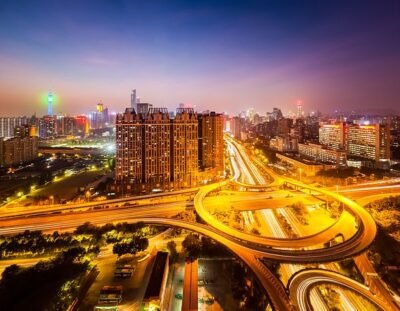
Asia is the most urbanized continent in the world, with an estimated 54% of the continent’s population living in urban areas. This figure is expected to increase to 64% by 2050, making Asia the fastest-urbanizing region in the world.
The trend toward urbanization in Asia is largely driven by rapid economic growth, industrialization, and urbanization policies that have encouraged rural-urban migration.
Over the past few decades, many Asian countries have experienced significant economic growth, which has created job opportunities in urban areas and attracted rural populations seeking better economic prospects.
Additionally, urbanization policies, such as the development of special economic zones and the construction of new cities, have also contributed to the trend.
While urbanization has brought about numerous benefits such as improved access to education, healthcare, and employment opportunities, it has also posed significant challenges.
One of the most significant challenges of urbanization is the strain it places on infrastructure and resources. As urban populations continue to grow, cities are struggling to keep up with the demand for housing, transportation, and basic services such as water and sanitation.
Furthermore, urbanization can exacerbate social and economic inequality. Rapid urbanization often results in the creation of informal settlements or slums, which lack basic infrastructure and services and are typically inhabited by the poorest members of society. These settlements can become hotspots for crime, disease, and environmental degradation.
Asia is the most urbanized continent in the world, and this trend is expected to continue in the coming decades. While urbanization has brought about numerous benefits, it also poses significant challenges that must be addressed through effective urban planning and management.
By investing in sustainable infrastructure, promoting social inclusion, and supporting the needs of vulnerable populations, Asian cities can become more livable and equitable for all residents.
Also read: Asia-Pacific region won’t achieve SDGs by 2030: UN
