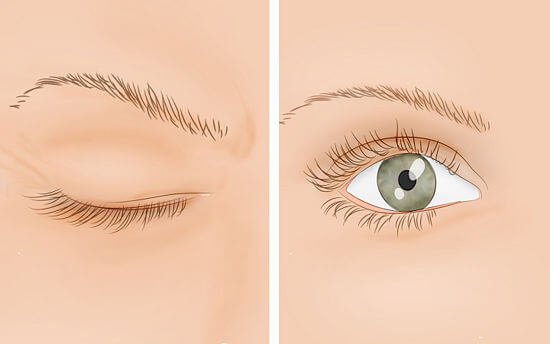
Blinking is necessary for good eye health. It keeps your eyes moist and oxygenated while also clearing dirt from them.
Although not everyone blinks at the same rate, there is an average rate for how many times most people blink in a minute, hour, or day.
Let’s take a closer look at the typical number of times you blink in a day and what can cause your blinking frequency to be disrupted.
- 900 – 1,200 times an hour
- 14,400 – 19,200 times a day
- 100,800 – 134,400 times a week
- between 5.2 and 7.1 million times a year
Each blink lasts between 0.1 and 0.4 seconds. Given how many times the average person blinks per minute, this makes up about 10 percent of the time you’re awake.
Research suggests that there’s no significant difference in how often you blink based on your sex or your age.
- clearing debris from your eyes, like small particles from the air, dried tears, and dead cells
- bringing nutrients and other substances to your eyes that help keep them healthy
- wetting your eyes, which prevents dry eyes and reduces your risk of problems with your tear film
- bringing oxygen to your eyes
All of these functions also help prevent eye infections. Additionally, blinking lets your brain briefly rest, helping you refocus on whatever it is you’re doing.
What can happen if you don’t blink?
If you don’t blink, or don’t blink frequently enough:
- Your cornea can swell. Your cornea doesn’t have blood vessels, so it needs oxygen from the tear film, which it gets when you blink. If you simply blink less often, your cornea should still get the oxygen it needs. But if you don’t blink, the lack of oxygen can lead to corneal swelling. In fact, your cornea even swells a little bit when you sleep, but goes back to normal soon after you wake up.
- Your eyes won’t get the nutrients they need to stay healthy.
- Your eyes can dry out because your tear film isn’t being replenished. This can lead to eye pain and blurry vision.
- Your risk of eye infection increases due to debris that stays in your eye and a lack of oxygen to the eye.
According to studies, you blink 66 percent less when using a computer. If you have dry eyes when using a computer, it could be because you’re blinking less regularly.
To help combat computer vision syndrome, try:
- Take frequent breaks and use the 20-20-20 rule: every 20 minutes, look away from your computer and rest your eyes on something 20 feet away for 20 seconds
- reminding yourself to blink while you’re in front of your computer
- using eye drops
- adjusting your lighting or screen position to reduce glare, or use a glare filter on your screen
- adjusting the brightness and contrast of your screen so you don’t have to strain your eyes to read
- limiting how much time you spend in front of a computer screen, especially closer to bedtime when lighting may be worse and you’re more fatigued
You may also blink less frequently due to problems with your eyelid. Eyelid issues may be caused by:
- paralysis
- injury
- eye disease
- side effects of surgery
Some people with Parkinson’s disease may also blink less often, due to issues with their muscle movements.
