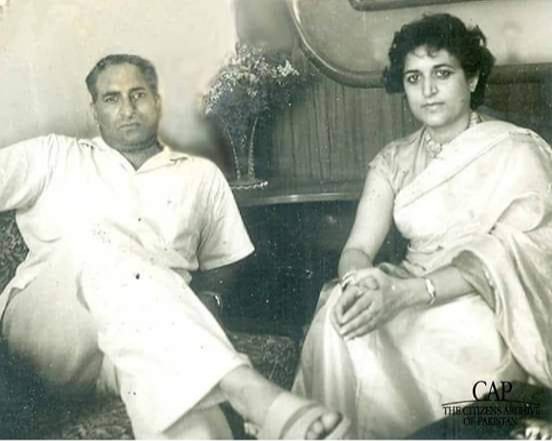
Dr. Jooma is remembered as one of the most respected figures in Pakistan’s medical history. After arriving in Pakistan in 1951, he established the first neurosurgery unit at Jinnah Hospital in Karachi. This marked the beginning of specialized neurosurgical care in the country.
His skills and dedication soon earned him recognition across the region. During the early years of Pakistan’s development, Dr. Jooma was considered one of the best neurosurgeons in South Asia. He was often called for complex neurological cases involving senior officials and important figures of that time.
He also visited Dhaka several times to assist with national-level neurosurgical cases.
Dr. Jooma’s wife, Mrs. Jooma, played a significant role in education and social work. She worked closely with Fatima Jinnah to help establish Khatoon-e-Pakistan Girls College in Karachi. Together, the couple became symbols of service and progress in Pakistan’s early years.
The Story Behind the Folklore
Over time, a tragic story about Dr. Jooma began to circulate. The tale, passed down through generations, serves as both a moral lesson and a reflection on life’s unpredictability.
According to the story, one night Dr. Jooma received an urgent phone call from the hospital. A young man had been admitted with a severe head injury after a motorcycle accident. His condition was critical, and immediate surgery was required.
The hospital staff requested Dr. Jooma to come quickly and operate. However, it is said that he instructed the staff to ensure the patient’s family deposited the surgical fee before he would attend the case.
The injured man had been brought by strangers who had found him unconscious on the road. Since they were not his relatives, they could not arrange the payment. The surgery was delayed, and the patient died before morning.
When Dr. Jooma arrived at the hospital later, he was shocked to find that the deceased patient was his own son.
Reflection and Aftermath
The story suggests that this event had a lasting effect on Dr. Jooma. It is said that he withdrew from his medical practice for some time, struggling to come to terms with the tragedy.
Whether fully factual or partly symbolic, the story has been passed down as a lesson on compassion and the weight of human choices. Many view it as a reminder that even the most skilled professionals can face moments of deep personal loss.
Understanding the Context of the Story
It is important to note that this account has not been independently verified. No official hospital records confirm the exact details. The story has survived mainly through oral tradition and retelling among doctors, students, and the general public.
The legend of Dr. Jooma continues to be shared as part of Pakistan’s medical folklore. It highlights both his professional achievements and the personal challenges faced by those in the field of medicine.
Legacy Beyond the Folklore
Regardless of the accuracy of the story, Dr. Jooma’s professional legacy remains clear. He was among the pioneers of neurosurgery in Pakistan and played a vital role in developing neurological medicine in the country.
His wife’s contribution to women’s education further strengthens their shared impact. Together, they left behind a legacy of dedication, service, and compassion.
Even today, the story of Dr. Jooma inspires reflection on ethics, empathy, and the human side of medicine.
Note: This story is a part of folklore. The Asian mirror could not independently verify it.
