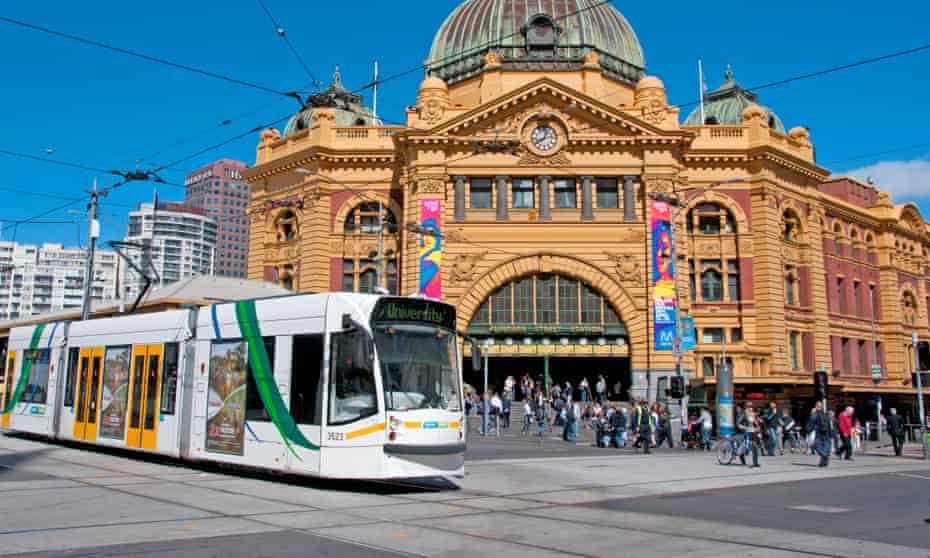
What the pandemic did to Australia’s population. Melbourne’s population growth turned negative during the pandemic as people fled prolonged Covid lockdowns, while Queensland welcomed a steady stream of people moving from other states, new population data shows.
The data from the Centre for Population showed Melbourne’s rate of population growth dropped from 1.8% in 2018-19 to -1.6% in 2020-21. Both international and interstate migration to Victoria fell, with annual population growth going backwards at -0.9%.
Melbourne residents spent 262 days in lockdown across the first two years of the pandemic, including one stretch of 111 days, contributing to the exodus from the state. People not only left Victoria and its capital, they stopped arriving from interstate as well, with net interstate migration not expected to return to pre-pandemic levels until 2023-24.
But demographers expect to see a rebound as Melbourne and Victoria see people return home. International students have led the population recovery, with net migration going from -53,000 in 2020-21 to 49,000 in 2021-22.
The next financial year is expected to see net overseas migration climb to 81,000, which should see Victoria’s population grow by 1.1% by 2025-26.Victoria’s population hit 6.6 million in June 2021, which included 5 million people in greater Melbourne alone. What the pandemic did to Australia’s population.
It’s that concentration of residents which means Melbourne remains on track to overtake Sydney as Australia’s most populous city, despite the pandemic’s impact on population growth.
