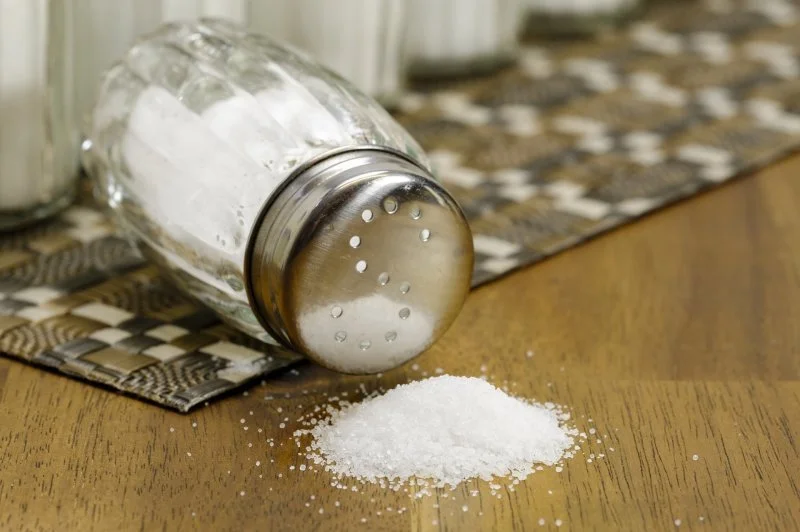
It may seem counterintuitive, but according to a new study review, minimum salt usage may harm heart failure patients.
Doctors now recommend a low-sodium diet to lower blood pressure and avoid fluid buildup and swelling, both of which can be symptoms of heart failure.
When the heart muscle becomes too weak or stiff to effectively pump blood to the rest of the body, the condition develops.
However, a new meta-analysis of nine randomized, controlled trials discovered that restricting dietary sodium intake below the standard recommended maximum of about 2.3 grams per day provided no additional benefits and may even increase the risk of death.
The findings will be presented on March 5 at the American College of Cardiology’s annual meeting in New Orleans.
“Our findings showed that restricting dietary sodium to less than the usual recommendation was counterproductive in the management of heart failure,” said study lead author Dr Anirudh Palicherla, an internal medicine resident at Creighton University School of Medicine in Omaha, Neb.
“Limiting sodium is still the way to go to help manage heart failure, but the amount of restriction has been up for debate,” Palicherla said in a meeting news release.
“This study shows that the focus should be on establishing a safe level of sodium consumption instead of overly restricting sodium.”
While the average American consumes about 3.4 grams of sodium per day, the US Dietary Guidelines recommend limiting that to 2.3 grams or less per day. That’s about half a teaspoon of table salt.
The nine trials included data on death and hospitalization rates as well as sodium levels in nearly 3,500 people with heart failure. The majority of these trials took place between 2008 and 2022.
Researchers discovered that patients who followed a diet with a sodium intake target of fewer than 2.5 grams per day were 80% more likely to die than those who followed a diet with a target of 2.5 grams or higher.
In the more restrictive studies, the sodium limits varied from 1.2 grams to 1.8 grams of sodium daily. Researchers did not find a trend toward increased hospitalizations among patients following more restrictive diets.
According to the study authors, the clinical trial designs varied significantly, including the use of different methods for tracking sodium intake.
Some studies required participants to limit their fluid intake in addition to their sodium intake, whereas others did not.
Despite these differences, the researchers have a high level of confidence in the overall findings due to the number of studies and the total number of participants.
Future research could help to clarify the best dietary sodium targets. According to the authors, they could also identify subgroups of heart failure patients who would benefit from more or less restriction.
People can reduce their sodium intake by eating more fresh fruits and vegetables and cooking with whole foods rather than processed, boxed, or canned foods and sauces.
When eating out or purchasing prepared foods, the researchers advise asking for nutrition information or reading labels.
