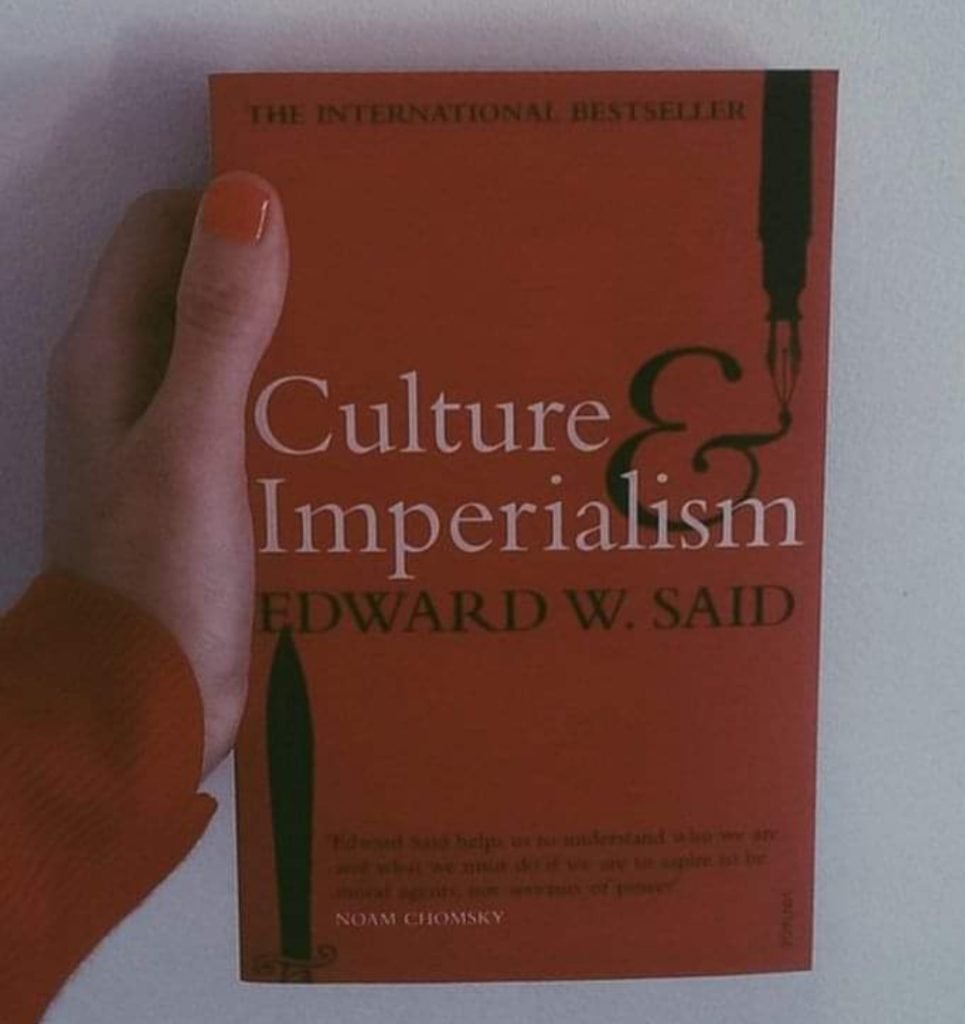
“Culture and Imperialism” by Edward Said is a seminal work that explores the relationship between imperialism and culture.
Culture and Imperialism by Edward Said: Here are 10 lessons from the book
- Interconnectedness of Culture and Imperialism: Said argues that culture and imperialism are deeply intertwined, with imperial powers leveraging culture as a tool for domination while shaping cultural production and representation through colonial processes.
- Impact on Literature and Art: Said demonstrates how imperialism influences literature, art, and cultural expression, reflecting colonial experiences and resistance in creative works.
- Challenging Eurocentrism: Said challenges dominant Eurocentric perspectives in Western discourse, advocating for an inclusive approach that recognizes the contributions of non-Western cultures.
- Legacy of Colonialism: Said highlights the enduring impact of colonialism on contemporary culture and politics, shaping power dynamics, identity formation, and cultural representations in postcolonial societies.
- Resistance and Subversion: Despite imperial dominance, marginalized groups demonstrate agency through cultural resistance and critique, challenging colonial power structures.
- Politics of Representation: Said examines how stereotypes and cultural narratives are used to justify imperialism, revealing the inherent politics of representation in colonial and postcolonial contexts.
- Importance of Context: Said emphasizes the significance of historical and political contexts in interpreting cultural texts, cautioning against ahistorical readings.
- Cross-Cultural Encounters: Said explores how encounters between imperial powers and colonized peoples foster cultural exchange, hybrid identities, and diverse constructions of self.
- Role of Intellectuals: Said calls upon intellectuals to challenge imperial ideologies and support movements for decolonization and social justice through critical engagement.
- Toward a Postcolonial Future: Said envisions a future characterized by justice, equality, and cultural pluralism, advocating for dialogue and understanding to transcend the legacies of imperialism.
Said’s lessons encourage critical reflection on cultural assumptions and historical contexts, highlighting the imperative of addressing colonial legacies to envision a more equitable global society.
