Dear Editor,
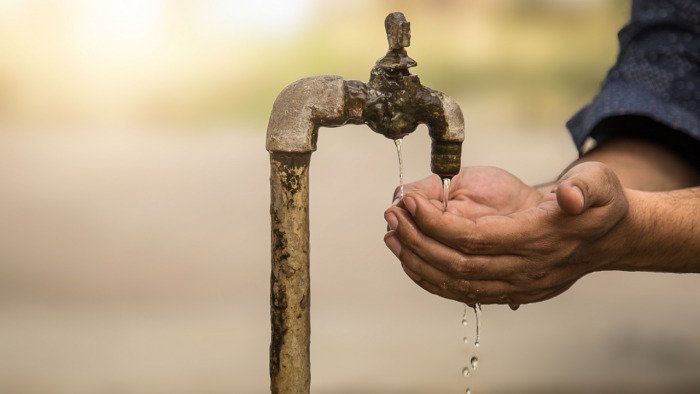
I am writing to draw your attention to the alarming water crisis that Pakistan is currently facing. The scarcity of water has reached unprecedented levels, and urgent action is needed to mitigate its severe consequences on our society, economy, and environment.
Water is an essential resource for human survival, agriculture, industry, and overall development. Unfortunately, Pakistan’s water resources are under immense pressure due to a combination of factors such as climate change, population growth, mismanagement, and inefficient irrigation practices. As a result, millions of Pakistanis are grappling with the devastating impacts of water scarcity on a daily basis.
In rural areas, farmers are struggling to sustain their crops and livestock due to inadequate water supply for irrigation. This not only leads to reduced agricultural productivity but also contributes to food insecurity and poverty. Moreover, the absence of clean drinking water has exposed communities to waterborne diseases, leading to a public health crisis.
In urban centers, the situation is equally dire. Water shortages have become a routine occurrence, forcing residents to rely on tanker water deliveries, which are often expensive and unreliable. This situation exacerbates the socio-economic disparities, as the most vulnerable populations are disproportionately affected by the unavailability of clean water.
It is imperative for the government, policymakers, and society as a whole to come together and take immediate measures to address this pressing issue. Here are a few key steps that can help alleviate the water crisis in Pakistan:
- Improved Water Governance: Strengthening water management institutions and promoting transparency and accountability in water allocation and distribution.
- Infrastructure Development: Investing in water infrastructure, including reservoirs, dams, canals, and pipelines, to increase water storage capacity and ensure efficient water distribution.
- Water Conservation: Implementing comprehensive water conservation strategies at both individual and community levels, including raising awareness, promoting efficient irrigation techniques, and encouraging responsible water usage practices.
- Rainwater Harvesting: Promoting rainwater harvesting systems, especially in rural areas, to capture and utilize rainwater for agricultural and domestic purposes.
- Wastewater Treatment: Enhancing wastewater treatment facilities and promoting the reuse of treated water for non-potable purposes such as irrigation and industrial processes.
- Climate Change Adaptation: Developing climate-resilient water management plans that account for the changing rainfall patterns and ensure sustainable water supply even in the face of climate uncertainties.
- Public Awareness Campaigns: Launch mass awareness campaigns to educate the public about the importance of water conservation, sanitation, and hygiene practices.
The water crisis in Pakistan demands immediate attention from the government, civil society, and the media. By highlighting this issue, we can foster public discourse, mobilize resources, and urge policymakers to prioritize and invest in sustainable solutions.
It is my sincere hope that your esteemed newspaper will take up this cause and raise awareness about the severity of the water crisis in Pakistan. Together, we can work towards finding viable solutions and securing a water-secure future for our nation.
Thank you for your time and consideration.
Sincerely,
Muhammad Bilal Khalid,
Lahore.
