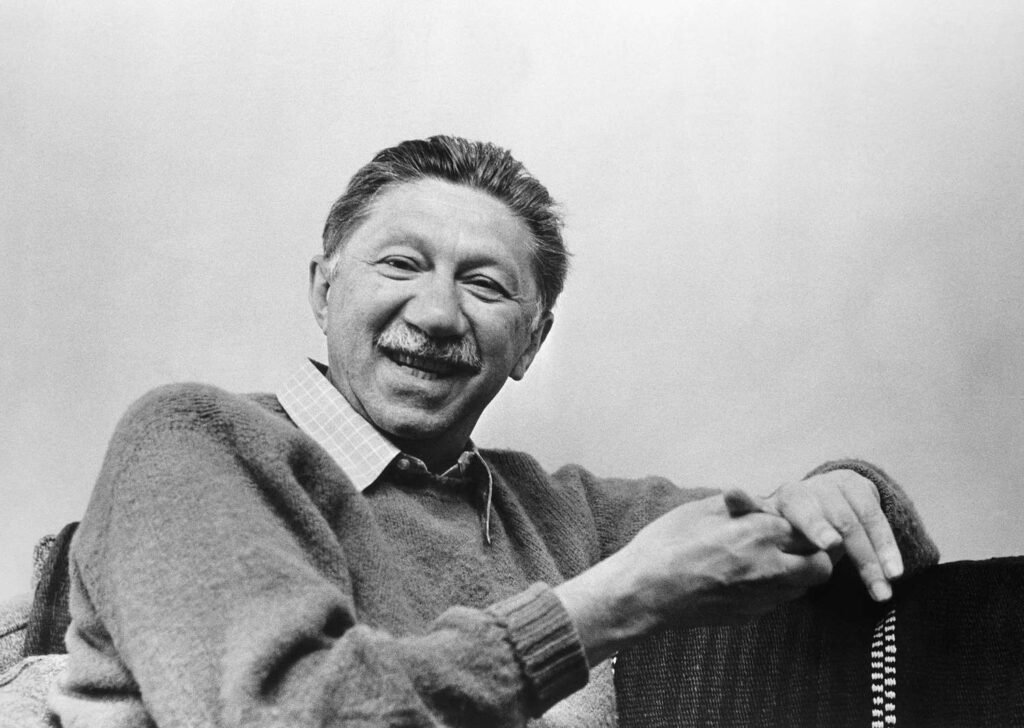
Most business students and managers are familiar with Abraham Maslow’s hierarchy of needs, which includes the pyramid symbolizing how human needs are ranked. Maslow is one of the most well-known psychologists of the 20th century. Maslow’s theory is founded on a straightforward premise: Humans have needs that are ranked in a hierarchy. All humans have certain basic requirements that must be met for everything else to matter. As we meet these fundamental requirements, we begin to explore for ways to meet higher-order demands. When a lower-level need is met, it stops being a motivator.
Physiological needs are the most fundamental of Maslow’s demands. Air, food, and water are examples of physiological demands. Think about how hungry you are. Your entire conduct might then be focused on finding food. But when you eat, you stop looking for food, and the thought of eating is no longer a driving force. When a person’s physiological demands are met, they often start to worry about their safety. Are they protected from harm, suffering, or a bleak future? The need to build enduring bonds with other people, to feel loved, and to bond with them on an interpersonal level are referred to as social needs. In actuality, lacking bonds might harm one’s health and wellbeing.
Esteem requirements become more prominent as social needs are met. Esteem requirements are the need to feel valued, respected, and appreciated by one’s peers. The need for self-actualization refers to “being everything you are capable of becoming” at the top of the hierarchy. This need is shown through learning new things, taking on new challenges, and acting in ways that will help one achieve their goals in life.
The model of choice for illuminating the psychology of human motivation is Maslow’s hierarchy of needs. It will enable you to spend less time speculating about what makes your employees tick and more time engaging in activities that inspire them. In this way, this theory tends to motivate person by reaching the goals of oneself.
