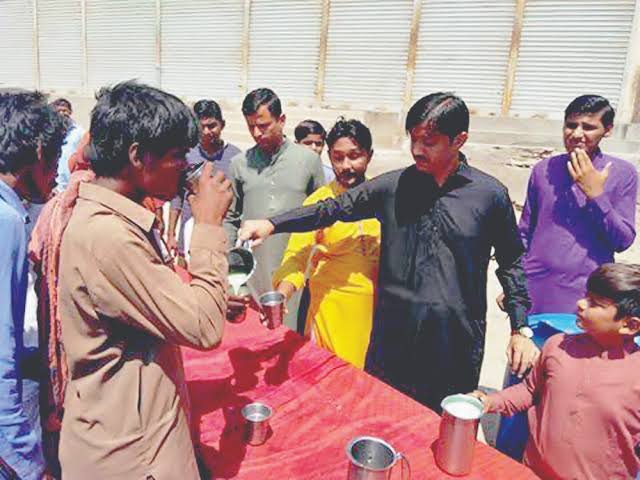
The province of Sindh is widely popular for its indigenous people and their various practices. Among its people are Sindhi Hindus, who are well known as indigenous people of this land. Since the partition of the subcontinent, the vast majority, whether by force or unintended will, left their respective indigenous lands and settled on the new land. Over a night (no lesser than a nightmare), their homes changed; land changed; language changed; culture and other attributes, too, changed. But there were certain attributes that never changed on either side; their rituals and thrive to live harmoniously.
Amidst growing extremism across Pakistan, the stories of interfaith harmony across the province of Sindh are endless. Among them are mutual respect for others’ festivals and a keenness to celebrate & greet each other during their respective days, rituals including religious festivals.
Thar, the epitome of interfaith harmony. This land has a populous of more than 1.6 million, out of which the majority are Hindus, living for more than two centuries now. Numerous documentaries have been made, and multiple articles have been written both inside and out of the country on the ever-riveting nature of the people of this land. From Muslims singing Hindu folklores to Hindus observing silence during prayer time; sharing each other’s joy and sorrow to sharing a common graveyard to bury the dead as if a mass divided family has been living on land.
Moreover, the Hindus participate in Muslim religious festivals like Eid and Ashura-e-Muharram. Similarly, Muslims attend Hindu festivals like Diwali and Raksha Bandhan. Many Hindu women also tie Rakhi to their Muslim brothers.
During Muharram, many Hindus across the entire province, including Thar set up Sabeel for mourners in Muharram and distribute Niyaz on the 9th & 10th. Moreover, Hindus across the province don’t schedule or celebrate any activities— whether a marriage or other ceremony— during the the entire month of the Muharram. While Muslims in many areas of Tharparkar don’t eat beef out of respect for Hindus who consider the cow as sacred.
It is pertinent to say that Hindus across the globe follow Vikram Samvat, a historical calendar used in the Indian subcontinent, during the month of Muharram, within that too, there are no rituals, nor do we schedule any kind of celebration during the month of Muharram.
