South Asia is the most populous region of the world and almost one-fifth of the world population bodes in this region. Due to its geo-strategic importance, it has always been a focus of world powers in order to gain access to energy-rich Central Asia and the untapped reserves of Afghanistan. Pakistan and India are the two leading countries of this region and have had unresolved issues since the independence of the sub-Continent. Kashmir is the main unresolved dispute between India and Pakistan despite being on United Nations Security Council agenda for over half-century. The security situation in the region largely depends on the relations between these countries.
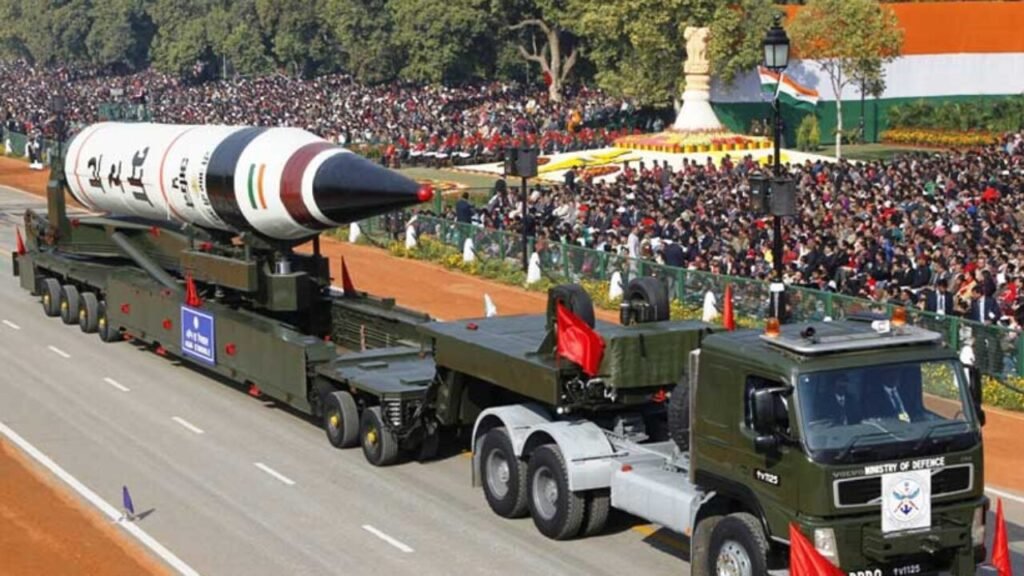
Driven by the ambitious agenda of regional hegemony, India is the largest importer of weapons which results in a perpetual arms race in the region. Smaller nations of South Asia always feel unsecured due to the mass import of modern weapons by India and try to counterbalance depending on their resources.
Pakistan amidst having an unresolved Kashmir issue always has serious and valid concerns on arms build-up by India as both countries have already fought three wars on one or the other issue. The highest conflict point in the world Sachin is also between both countries.
This unending hostility between the two countries always became a hindrance to the progress in the region and the social well-being of the public in both countries. The largest chunk of the budget in both countries goes to defense and they have little to spend on improving governance, education, and development. Thus the majority of the public in the region, especially in India is living below the poverty line.
European nations have resolved their conflicts, and thus have a lot to spend on public welfare programs while South Asian countries always need the help of international institutions and leading nations for public welfare. Ironically, a large population in India is still deprived of basic facilities like bathrooms and water. The situation though not different in some far-flung areas of Pakistan too but that is meager one as compared to India.
Both nations conducted successful nuclear tests in 1998 and joined the nuclear state’s club, but when we compare them with other nuclear states in the economic sphere, they are lagging far behind.
After attaining the nuclear status by both, a strategic balance was restored but both countries still spend a large amount on the safety of nuclear weapons and experiments on missile systems. The point to be noted here is that India started the arms build-up and nuclearization of South Asia while Pakistan had to respond due to valid security concerns and strategic Imbalance in the region.
Attaining nuclear status by both countries indeed lessens the chances of conventional arms conflict but it also leads to finding other solutions of missile defense technology to keep an upper hand in the region. The cold start doctrine was also introduced by India as an option which was responded to by Pakistan in the shape of tactical weapons. The security situation of South Asia will always remain volatile until and unless a political party with social welfare agenda comes to power. Hatred based politics always leads to division and conflicts not only internally but also with neighbors in order to garner maximum votes
Interestingly; the Indian card is not used in the politics of Pakistan but in India, the situation is otherwise and BJP is continually ruling India for last almost one decade due to the use of religion and Pakistan cards in politics.
Provocation with Pakistan suits BJP and we have seen a tense situation between both countries especially when the election in India is nearing. Unfortunately, the Indian arms buildup still continues and other regional countries especially Pakistan always feel insecure, thus have to counterbalance it one or the other way by spending a lot on security.
If India sincerely moves towards resolution of the Kashmir issue or even normalizes the situation in the valley, this could lead to the restoration of Pakistan – India dialogue, and trade, and ultimately into reliable economic ties that would benefit the masses of both countries and improve their life standard. This would be a true service to the humanity.
