A Demographic dividend is known to be a secret game changer. A demographic dividend is a kind of economic growth which occurs due to favorable changes in the age structure of a country’s population. It is a concept in economics that refers to the boost in the working-age population which normally takes place when a country experiences low birth rates in conjunction with low death rates. If a demographic dividend is achieved by any country it can last long to almost 50 to 60 years.
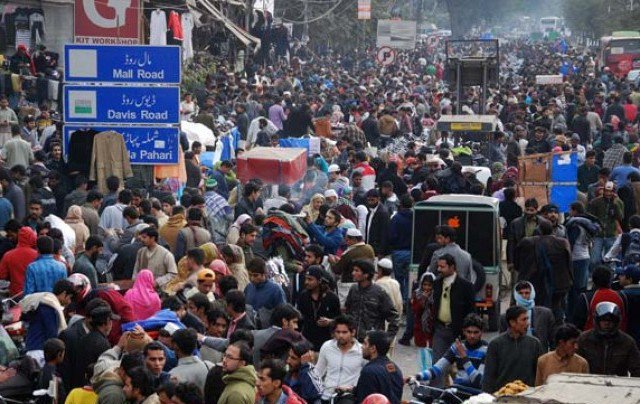
According to the 2017 census, Pakistan has the 5th largest youngest population. About 63% of the country’s population consists of young people between the ages of 15 and 33. With this large population of youth, Pakistan is facing severe challenges in its economic, political and social sectors. Poor youth engagement in productive political, educational, economic and social, and cultural activities, especially at the state level, indicates the ineffectiveness of public and private sector policies.
The Mental Health Survey has pointed out that the most stressed population in Pakistan is its millennial population, which indicates that there is definitely some flaw in the way society is handling its youth. The growing youth population trend is called the Youth Bulge. In a country where the number of young people will increase, as young people enter the working age, the country’s dependence ratio, that is, the working-age population will decrease with the working-age population. Today in Pakistan, where one would expect the energy of the young population to be used for greater productivity and economic growth, the situation is quite the opposite. The anxieties and frustrations of young Pakistanis are diverse and complex.
Youth Bulge Theory argues that high youth development can be a major cause of economic stagnation, including militancy, social unrest, and political conflicts that contribute to youth backwardness, urban-rural divisions, and the country’s quota system. Lack of education, poor standards of health and well-being, political and civic aloofness, and lack of empowerment at the grassroots level are not keeping Pakistan’s youth engaged. One of the major concerns of Pakistani youth that we can see and observe is the lack of equal employment opportunities. Ideally, a capable young person should get a job as soon as he or she graduates. However, the reality on the ground is quite different, which often leads to stress, depression, drug addiction, and other anti-social activities among unemployed, educated youth.
Many companies and industry owners have complained about the poor education system, that applicants do not have productive skills or are not meeting the industry requirements to work with them. In part, this similarity is attributed to poor quality education, social stratification, and lack of practical training and industry exposure. Practitioners suggest that this problem can be solved by understanding the needs of the industry so that the curriculum of graduate schools can be designed accordingly, as is the case in most developed countries.
Pakistan’s population is currently growing at an unsustainable rate which is 2.4% per annum average, putting pressure on social and economic infrastructure. When the number of dependents grows faster than the population’s ability to support them, health facilities, schools, and employment opportunities deteriorate. Poor access to health care and education, gender inequality, poverty, disasters, child marriage, and underage and unintended pregnancies derail people’s potential.
Pakistan has some of the biggest growth opportunities in the world in terms of population as the growing youth population is entering adolescence. Demographic dividends can only be achieved through appropriate investment in youth education and skills, reaping the benefits of long-term human capital development.
Intelligent planning during and after the dividend period is needed to maximize your chances of benefiting from the demographic dividend. Despite such an encouraging picture at the moment, not everything is lost for Pakistan as there are 40 years left in the dividend period, and at least some benefits can be reaped if it is started now. Key areas of focus in this regard include education. Public Health and Family Planning; Concessions for savings; And most importantly, creating an economic environment that encourages job creation and labor flexibility.
