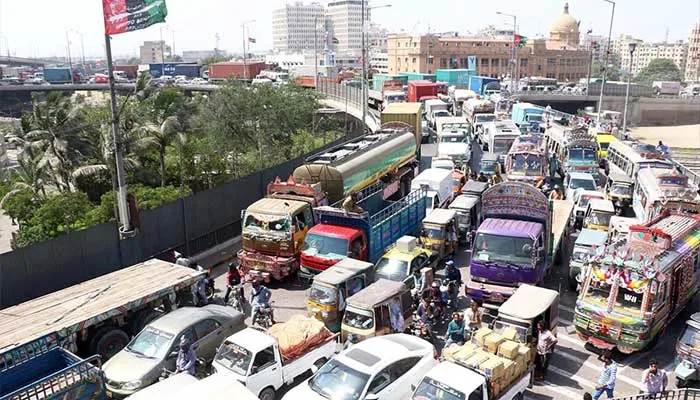
Pakistan’s cities are struggling with heavy traffic, and parking has become a big and controversial symbol of poor city management. In cities like Karachi, Lahore, and Islamabad, parking rules affect the daily lives of millions of people who commute. But parking issues aren’t just about moving cars smoothly; they also relate to fairness, equality, and following the law. When parking rules are applied unevenly or unfairly, it makes people lose trust in the system and widens the gap between different groups in society. Making sure parking rules are fair isn’t just a small management task; it’s a big part of good city governance in Pakistan.
Parking rules in Pakistan come from a mix of federal, provincial, and local laws.
The Motor Vehicles Ordinance from 1965 sets the basic rules for traffic, while local governments have the power to set parking areas, charge fees, and give fines. Provincial traffic laws and city-specific rules also help shape how parking is handled. On paper, this system seems good. But in practice, there’s a lack of uniform standards and clear rules, which leads to inconsistent and unfair parking enforcement across different cities.
One of the biggest complaints from drivers is that the rules are applied differently in different areas. A car that’s parked just a few minutes outside a shop might get a big fine in one part of the city but be ignored in another. This makes people feel like the law is not applied the same way everywhere. It seems more like it’s based on where you are, who you know, or what’s convenient. This goes against the constitutional principle of equality before the law, which says everyone should be treated the same without any special treatment. Another concern is the power given to parking enforcement officers.
While some judgement is needed, there are often no clear guidelines, which means personal choices can take over important rules. This leads to situations where wealthier areas get more leniency, while poorer or crowded areas are treated harshly. In some cases, this power has even led to unfair practices that harm the fairness of the system. When people think they can avoid or argue with fines, they stop respecting the law.
Transparency is also missing in most parking enforcement. Motorists are often fined without knowing why or what they did wrong. Notices sometimes don’t explain the rule broken or how to challenge the fine. Although the right to fair treatment is important in Pakistani law, it’s hard for people to challenge these fines, especially if the processes are hard to reach, slow, or not well explained. The effects of these enforcement practices are not the same for everyone. Poorer people, small business owners, and daily workers are hit hardest by parking fines. They often can’t afford to pay for parking or have to park in busy areas near their work. A small fine can be a big problem for them. People with disabilities and older drivers also struggle because there aren’t enough accessible parking spots, making them more likely to get fined.
From a legal and policy angle, fairness in parking enforcement needs to be proportional. Fines should match the seriousness of the action and the situation. Fines that don’t take into account the reason, how long the violation happened, or local conditions can seem harsh instead of helpful. Pakistani law has always stressed that decisions made by officials should be fair and not random. Parking enforcement should follow the same idea. Technology could help make parking enforcement more fair. Digital tickets, photos, and automatic monitoring can reduce the need for personal judgement and increase transparency. When violations are clearly recorded and explained, it’s harder for unfair treatment to happen. Data-based enforcement can also help find areas where rules are too strict or not strict enough, so policies can change to be better. However, using technology must come with clear rules to ensure it is fair and not just another hidden tool.
A recent judgement by the Additional Session Judge, Hyderabad, clearly mentions that:
“ The Judgement firmly reinforces the Government of Sindh’s ban on the collection of parking fees on public roads, recognizing it as a matter of public importance and public relief. By holding the Municipal Commissioner of Hyderabad responsible for strict enforcement and public awareness, the court emphasised that no individual or contractor may unlawfully charge citizens for roadside parking. Although the justice of peace declined jurisdiction over such disputes the court made it clear that any harassment, coercion or extortion in the name of parking fees constitutes a cognizable offence and must be dealt with by the police in accordance with law”.
Change also needs to start at the law level. Parking rules should be made clearer, with exact offenses and standard penalties. There should be clear rights for car users when they’re fined. Local governments need to share parking rules and how they enforce them so the public can check them. Independent ways to complain or challenge fines should be in place to build trust and make sure the system is fair. Involving the public is also important. Rules work best when people understand why they’re important and think they’re fair. Promoting awareness, using clear signs, and talking to communities can help people accept the rules better. Parking enforcement should be seen as a service that helps city traffic flow, not just a way to collect money.
In the end, fair parking enforcement shows how seriously Pakistan is taking good city management. The law already gives the groundwork, but there’s a need for consistent application, clear processes, and understanding of how people live. When parking rules are applied fairly, they can make traffic move better, reduce disputes, and build public trust. When they’re not, they show how the law can be applied unequally in everyday life. In a country trying to improve governance, parking is something that needs real attention.
