The Pakistani television drama often takes over the Pakistani culture, with most of its programs largely focusing on the personal and intimate lives of women. Traditionally, plays were built around the presentation of how women suffer as a source of discord in the stories. The feminist narratives of women have been challenged by two major problems, which are, first, they have to address the oppression of women and how they had to be oppressed in their experiences; secondly, they had to analyse the methods that were employed by the oppressors to exploit such experiences to their own advantage; and the third one is that women had to question the societal ideologies in favor of the domestic roles and against work or leadership.
In the late 20th century, TV series like Ankahi and Dhoop Kinarey featured tough, ambitious women who moved beyond those conventional social constructs to form complex female characters, not necessarily at home. It started to air more advertisements on TV stations in the late 20th century, when the television stations became commercially owned and ran shows to make the TV programs increase in viewership, but this also increased the number of women whose stories were shown on mainstream channels, and thus it naturalized them via the media. The contemporary heroines are often depicted as passive and too dependent on others to help them feel better and are limited to doing domestic chores, which is an indication of the dilution of the image of women as compared to the past when the number of television programs was more widespread.
Also read: Feminism from literature perspective
The Pakistani TV programs tend to reinforce the traditional gender roles; they usually depict women as docile, innocent beings against aggressive temptresses, who have been depicted in a bad light because of their independence. Violence against females is common as a normalized norm in the storylines of media where the long history of marital conflict upholds male supremacy and suppresses the female voice by what some call the male perspective. Although the society is trying to solve its societal problems by using drama, most of the shows tend to revert to the old heterosexual norms, thus watering down the progressive jokes about feminism and perpetuation of male dominance over women’s voices in the society.
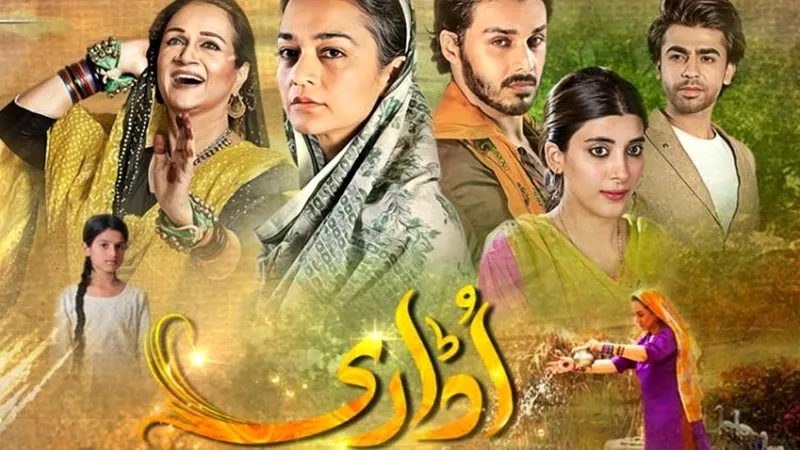
Although, in traditional roles, men were in power, programs like Udaari, Sar-e-Rah, and Kankar show that TV can be used to promote the rights movement of women. The stories highlight women’s empowerment, economic independence, and access to courts in their struggle against the institutional forms of discrimination and give real-life examples of challenging social norms. By using the appeal to likeable characters and complex storylines, such works can facilitate the discussion of gender equality because they raise the taboos of society and meet the law.
In the contemporary drama scene, multiple plots conflict with each other. Contemporary writers, such as Umera Ahmed, emphasize the ethical complexity and the free will of people; however, conservative writers, such as Khalil-ur-Rehman Qamar, revere male supremacy and glorify the inferiority of females. The dualistic nature sends conflicting messages to the viewers, and thus it becomes hard to adopt the concept of gender equity entirely. The financial incentive promotes the traditional dramas instead of the morally acceptable plot, which has resulted in a continuous rivalry between the commercially inclined plot and the socially inclined plot.
With the growth of feminism in Pakistan, the dramas are redesigned subtly, using specific, strong stories that twist the conventional image of a woman into a victim of the situation. To maintain such changes, the media industry should focus on giving balanced descriptions of characters, reinforcing the financial independence of women, and promoting media education. The need to grow influence with complaint problems handled through online channels is important in sustaining the relevance of female-focused narratives in society in the wake of constant counteraction by traditional dramas.
