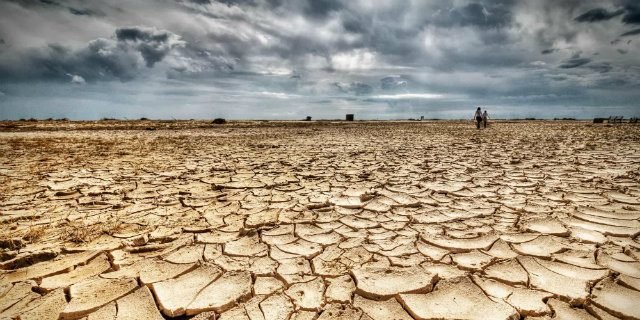
Pakistan stands at a critical point in its environmental journey and is facing pressing challenges from climate change impacts exacerbated by rapid urbanization and industrial growth. As we address these challenges, integrating traditional knowledge and practices with modern conservation efforts emerges as a promising pathway towards building climate resilience nationwide.
Pakistan’s rich cultural heritage and traditional practices can play an important role for sustainable development. In Punjab, ancient agricultural techniques such as crop rotation, intercropping, and organic farming have sustained communities for generations. By adopting these practices and integrating them with modern agricultural technologies, we can enhance soil fertility, reduce reliance on harmful chemicals, and mitigate the environmental footprint of agriculture.
Water management, another critical area, can draw inspiration from historical systems like karez and baolis. These age-old techniques, designed to maximize water efficiency and storage, can complement contemporary water conservation strategies. Implementing such systems not only addresses water scarcity but also strengthens community resilience against droughts and erratic rainfall patterns.
In urban centers like Karachi, Lahore and Faisalabad, where industries such as textiles dominate the landscape, innovative approaches are essential. Promoting sustainable industrial practices, including energy-efficient technologies and wastewater treatment systems, can significantly reduce environmental impact. Initiatives like “Saaf Mohalla Saaf Pakistan,” where students from educational institutes participate in cleanup drives that play an exemplary role in minimizing waste and to raise climate awareness and to build community relationship towards combating climate change.
Educational institutions play a pivotal role in shaping a climate-resilient future. By integrating environmental education into school curriculum and encouraging student-led initiatives, we empower the next generation to champion sustainability. Activities like tree-planting campaigns, recycling drives, and awareness workshops instill values of conservation and collective responsibility from a young age.
Educational institutions can also facilitate intergenerational knowledge transfer by organizing workshops and events where elders share their wisdom with the youth. Such programs can ensure that valuable traditional knowledge is not lost and continues to contribute to sustainable development.
Effective policies are essential to support these efforts. Strengthening environmental regulations, providing incentives for green technologies, and fostering public-private partnerships can catalyze sustainable development across sectors. Collaborative platforms, such as the Local Conference of Youth (LCOY), where ideas are exchanged and solutions are proposed towards climate resilience.
Collaboration with local communities is essential for the successful integration of traditional knowledge into modern conservation efforts. Engaging community leaders and elders in planning and decision-making processes can ensure that conservation initiatives are culturally sensitive and locally accepted. Also community-driven monitoring and evaluation systems can help track the effectiveness of conservation efforts and make necessary adjustments based on local feedback.
Building a climate-resilient Pakistan requires a harmonious blend of tradition and innovation. By harnessing the wisdom of our ancestors and embracing cutting-edge technologies, we can mitigate climate risks, protect natural resources, and improve livelihoods. As individuals, communities, and policymakers unite in this endeavor, we pave the way for a sustainable future where Pakistan thrives amidst environmental challenges, preserving its natural heritage for generations to come.
