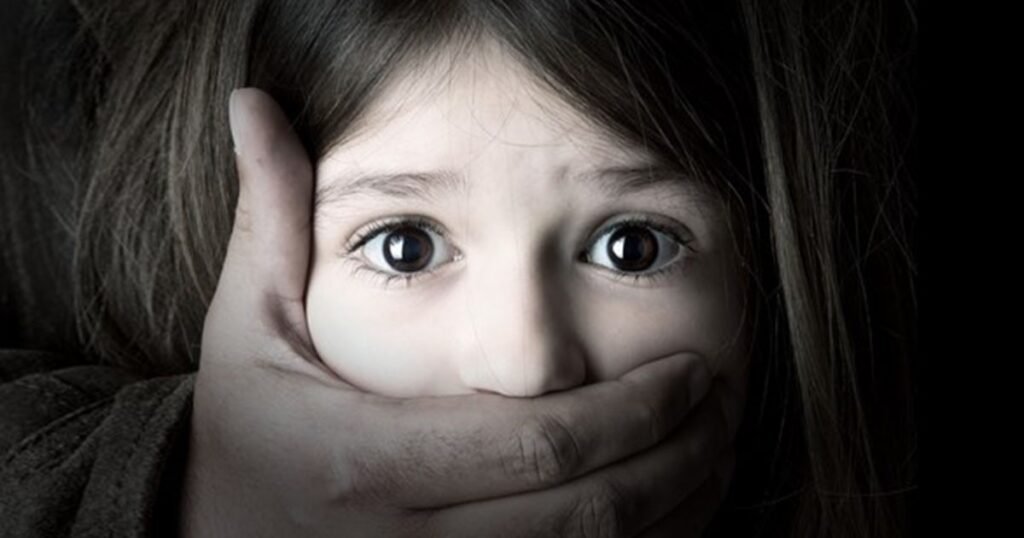
“Child abuse is not an isolated incident but rather a consequence of broader social and economic inequalities.” – Sara McLanahan, Sociologist
A recent incident of a civil judge’s wife allegedly torturing a teenage girl working as a maid at her home is a very heart-wrenching incident. The girl was a resident of district Sargodha, Punjab, and was working on a 10,000 per month wage. But, these kinds of incidents aren’t new.
As stated in a recent report compiled by the Punjab home department — during the first five and a half months of 2023, some 1,400 children were abused in Punjab; 69pc of them boys. The report admits that numerous cases may be unreported as “cultural taboos make it difficult to report the criminality”.
Gujranwala topped the list with 220 cases, followed by Dera Ghazi Khan and Faisalabad. According to the study, of the total number of perpetrators fronting trial for abuse, 55pc were neighbors of the victims, while 32pc were strangers. Though these numbers represent Punjab only, the situation in the other provinces isn’t too different. Perhaps, this is just the tip of the iceberg, as the weakened and most underprivileged parts of society — children, women, and the poor — often don’t report the trauma they endure.
“Four to five thousand children are victims of sexual abuse every year in Pakistan,” said Miqdad Ali, a child rights activist, “but unfortunately no data or photographs exist at the national level for people to identify these predators and prevent them from harming more children.” As reported by the United Nations (UN) 3.3 million Pakistani children are tangled in child labor, depriving them of their childhood, their healthiness, and schooling, and condemning them to a life of poorness and want.
Child abuse is influenced by a range of social factors in Pakistan, and patriarchal norms, power imbalances, poverty, illiteracy, and social inequalities contribute to the vulnerability of children. Poverty is indeed the highest form of violence that can be inflicted on human entities. Deeply drowned in poverty and misery, millions of parents are inclined to trade their children, often for a few thousand rupees per month. This vulnerability is happily capitalized by our exploitative and conscienceless upper class, on the pretext of providing food to a needy family.
The state and society therefore carefully craft breeding grounds and opportunities that promote child abuse. Children who work as domestic or industrial laborers are exposed to child abuse by adults. Children who are left unattended by parents are susceptible to child abuse by domestic help, family members, and neighbors. Poverty is hunger; Poverty is the absence of shelter.
Poverty is falling sick and not being able to have a doctor. Poverty is the inability to send your child to school. Poverty is living as a day-to-day wager – one day at a time. Poverty is the fearfulness of a pension-less future. Poverty is coercing your child to become a domestic worker. Poverty is eight-year-old Zohra Shah, beaten to death for accidentally releasing a caged bird. Poverty is the 14 years Rizwana, was tortured by the judge’s wife. Poverty isn’t being able to spend time with your children for your shift demands 12 hours a day for 30 days in a month.
Pakistan’s disproportionately high number of child protection departments, authorities, and commissions are essentially ceremonial and self-consuming in nature. They’ve not been able to produce any functional or effective mechanism to prevent child abuse, to remove child beggars from the streets, to release child domestic help from homes, to prevent the under-age marriage of girls, or to save thousands of “unnoticeable” children who work as sanitary workers in full public view.
Despite the Zainab Alert Bill that was passed by the National Assembly on 8 October 2019. The Bill, however, remains only words on paper and awaits implementation. There are multiple laws aimed to deal with the menace of child abuse, but lack of “implementation, enforcement, and collaboration” means that victims don’t get justice and the culprits aren’t punished.
When major cases make the headlines such as the repulsive Kasur child sexual abuse scandal, and the terrible murder of Zainab Ansari — the state swings into action, ostensibly, to soothe public rage. But soon enough, the protection of children is once again relegated to the margins, with little action to back the tough talk against abusers.
Sociological examination highlights a correlation between child abuse and social inequality.
Vulnerable populations, such as those living in poverty or marginalized communities, may be at a higher threat of abuse due to limited access to resources and support systems. This underscores the need for broader social reforms to address the root causes of abuse and secure children from harm. Unless we can come to grips with our runaway population and our hefty poverty, the results of any child protection measures would be no distinct than expecting a fish to avoid getting wet while swimming in an ocean.
The setting up of special courts for child abuse cases also has merit, so that these cases don’t get lost in the hefty judicial backlog. The advice about focusing on victims’ rehabilitation also needs immediate attention, so that scarred young people can rebuild their lives, and get professional support to overcome their unimaginable pain.
Addressing the complex issues of poverty and child abuse requires a multi-faceted approach that addresses the root causes while giving support and protection to those affected. By enforcing comprehensive solutions that tackle poverty and child abuse in tandem, societies can work towards creating a safer, healthier, and more equitable future for all their members. Only through collaborative efforts and a commitment to change can we break the cycle and result in a brighter future for vulnerable children and families. Child abuse is a ghastly societal issue that demands critical attention and comprehensive solutions.

One thought on “Rampant child abuse: Poverty is the root cause”
What a excellency of observation..
Stay blessed dude!♥️