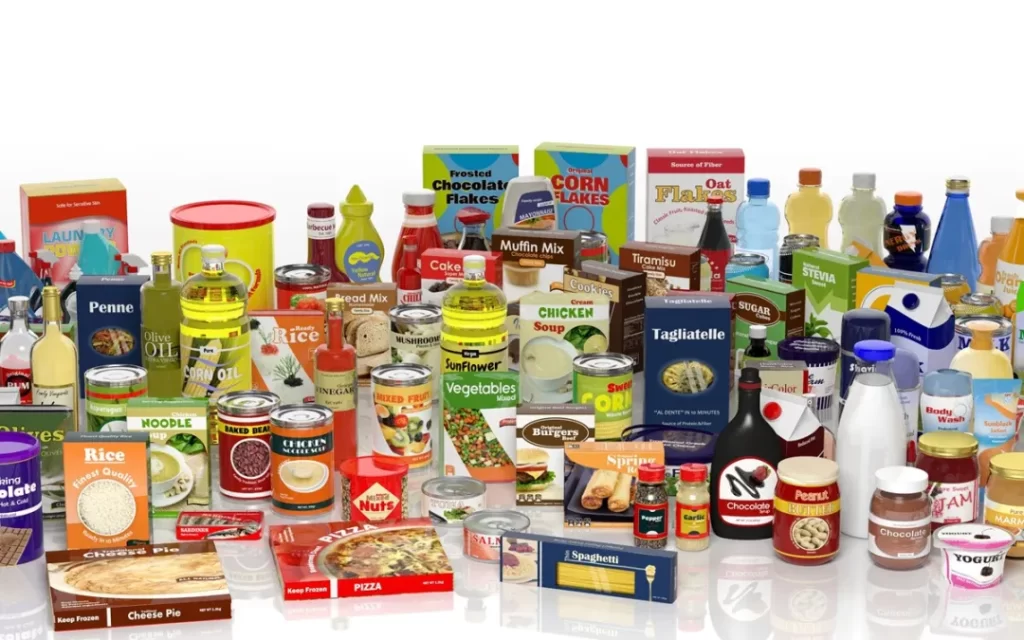
Food additives and preservatives are widely used in the food industry. They are added to food products to enhance their flavor, texture, and appearance, as well as to prevent spoilage. In recent years, concerns have been raised about the safety of these additives and their impact on human health. This article aims to analyze food additives and preservatives in various food products.
Types of food additives:
Additives are classified based on their function. There are several types of food additives, including preservatives, antioxidants, emulsifiers, stabilizers, and flavorings. Preservatives are added to food products to prevent the growth of bacteria and fungi, thus prolonging the shelf-life of these products. Common preservatives used in food products include sodium benzoate, potassium sorbate, and calcium propionate.
Antioxidants are added to food products to prevent the oxidation of fats and oils, which can cause spoilage. Examples of antioxidants used in food products include ascorbic acid (vitamin C) and tocopherols (vitamin E). Emulsifiers are added to food products to improve the stability of emulsions and dispersion of fats and oils. Common examples of emulsifiers used in food products include lecithin and monoglycerides
Commonly Used Food Additives and Preservatives:
The most commonly used food additives and preservatives include monosodium glutamate (MSG), high fructose corn syrup (HFCS), and sodium nitrate. MSG is a flavor enhancer that is widely used in processed and fast foods. Some studies have linked the excessive consumption of MSG to neurological symptoms such as headaches, dizziness, and nausea. However, the FDA considers MSG safe for consumption in normal amounts.
HFCS is a sweetener that is commonly used in soft drinks, baked goods, and processed foods. The high intake of HFCS has been associated with an increased risk of obesity, diabetes, and metabolic disorders.
Potential Risks of Food Additives and Preservatives:
The excessive consumption of food additives and preservatives has been associated with several health issues. These include allergies, headaches, and hyperactivity in children. In addition, food additives have been linked to chronic health conditions such as obesity, diabetes, and cardiovascular diseases.
Some food preservatives have been linked to an increased risk of cancer. For example, sodium nitrite, a common preservative used in processed meat products, has been associated with an increased risk of colorectal cancer.
Conclusion:
Food additives and preservatives are commonly used in the food industry to enhance the flavor, texture, and appearance of food products. While they have benefits, they also have associated risks, including allergies, chronic health conditions, and cancer. It is essential to regulate their use and provide information to consumers on their potential side effects. Food manufacturers should reduce the use of these additives and preservatives or provide information on their quantity and potential side effects.

One thought on “Analysis of food additives and preservatives in food products”
Best content