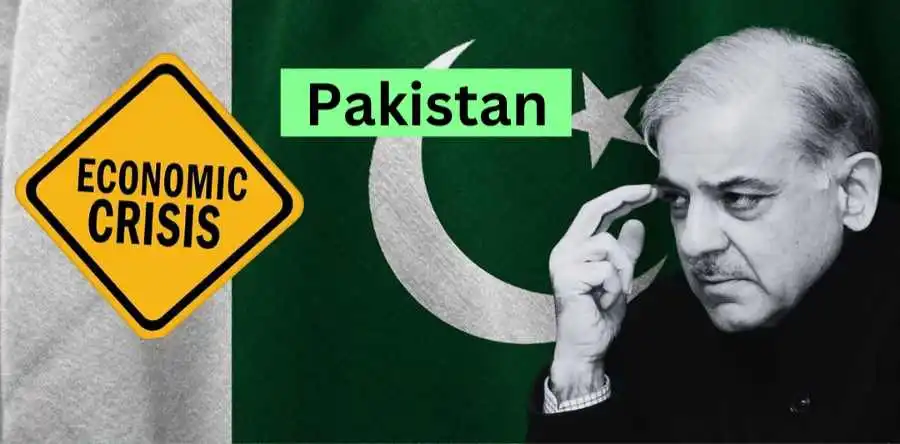
Pakistan is facing an economic crisis of unprecedented proportions. The country is grappling with a plethora of economic issues, including high inflation, dwindling foreign exchange reserves, and a skyrocketing trade deficit. The COVID-19 pandemic has only added to the country’s economic woes, causing widespread job losses and a decline in economic activity.
Current Situation:
As of February 2023, Pakistan’s economy is in dire straits. Inflation has soared to double digits, with the Consumer Price Index (CPI) hitting an all-time high of 14.6% in January 2023. This has made it difficult for ordinary citizens to make ends meet, with many struggling to afford basic necessities such as food, housing, and healthcare.
The country’s foreign exchange reserves are also dwindling rapidly. According to the State Bank of Pakistan, the country’s foreign exchange reserves stood at $8.73.9 billion as of February 17, 2023. This is a sharp decline from the $11.71 billion in reserves that the country had in December 2022.
The trade deficit has also been a major cause for concern. Pakistan’s trade deficit widened by 39.7% in the first half of the fiscal year 2022-23, reaching $14.4 billion. This is a staggering figure, considering that the country’s total exports amounted to just $25.6 billion in the fiscal year 2021.
Causes of the Crisis:
Several factors have contributed to Pakistan’s economic crisis. One of the main reasons is the country’s overreliance on imports. Pakistan imports a large number of its goods, including oil, machinery, and consumer goods. This has put a strain on the country’s foreign exchange reserves, which have been depleted due to the high import bill.
Another factor is the country’s inefficient tax system. Pakistan has one of the lowest tax-to-GDP ratios in the world, with only around 1% of the population paying income tax. This has left the government with a limited revenue base to fund its development projects and social welfare programs.
The COVID-19 pandemic has also played a significant role in exacerbating Pakistan’s economic crisis. The pandemic has caused a decline in economic activity, leading to job losses and a reduction in consumer spending. This has had a domino effect on the economy, with businesses struggling to stay afloat and the government facing a decline in tax revenue.
The way forward:
The Pakistani government has taken several steps to address the economic crisis. These include borrowing from international lenders such as the International Monetary Fund (IMF), increasing taxes, and reducing government expenditure. However, these measures have not been enough to tackle the root causes of the crisis.
To overcome the economic crisis, Pakistan needs to take a more holistic approach. This includes improving tax collection mechanisms, reducing the country’s reliance on imports, and increasing exports. The government should also focus on promoting investment in the country’s infrastructure and industries, which can create jobs and stimulate economic growth.
Pakistan’s economic crisis is a ticking time bomb that needs urgent attention. The country cannot afford to delay taking action any longer. The government, along with the private sector and civil society, needs to work together to find solutions to the crisis. Failure to do so could result in a catastrophic economic collapse that would have dire consequences for the country and its people.
