An opinion is unquestionably the easiest thing to form these days. The smallest slip and you earn yourself a new identity, which is to stay with you for the rest of your life. It’s a fine line to walk, and our celebrities, influencers, and other well-known figures must become acquainted with it because cancel culture is cruel. We’ve all seen the negative consequences that some well-known people have had to suffer as a result of an internet opinion, regardless of the sensitivity or facts of the matter. The cancel culture or call-out culture is most likely our modern-day equivalent of exile.
The term “cancel” originated from a 1980s song as slang in America, and throughout the years has evolved into a renowned practice around the globe. This refers to public shaming or ostracising someone in the masses online over social media, or in person. The ones exposed to this dissolution are said to have been “cancelled”. There have been plenty of debates over the legitimacy of the claims that make their rounds over social media. Some use their free speech to advocate for what they believe is right, while others see it as a toxic and problematic rush to judgement.
Although extreme, cancel culture has played an evident role in bringing light to various subjects, encouraging people to speak out and condemning wrongs. It has a huge part in aiding the #MeToo and ‘Time’s up’ movement in Pakistan, with women mustering up the courage to call out their abusers online. Celebrities like Ayesha Omar, Frieha Altaf and Nadia Jamil have also been vocal about their sexual abuse, providing courage to many other survivors. Several brands have faced backlash and were boycotted when promoting the idea of beauty being correlated to fairness. There have also been instances where people called out rude behaviours they witnessed in workplaces or restaurants, like the instance where owners were called out for mocking their manager’s speech.
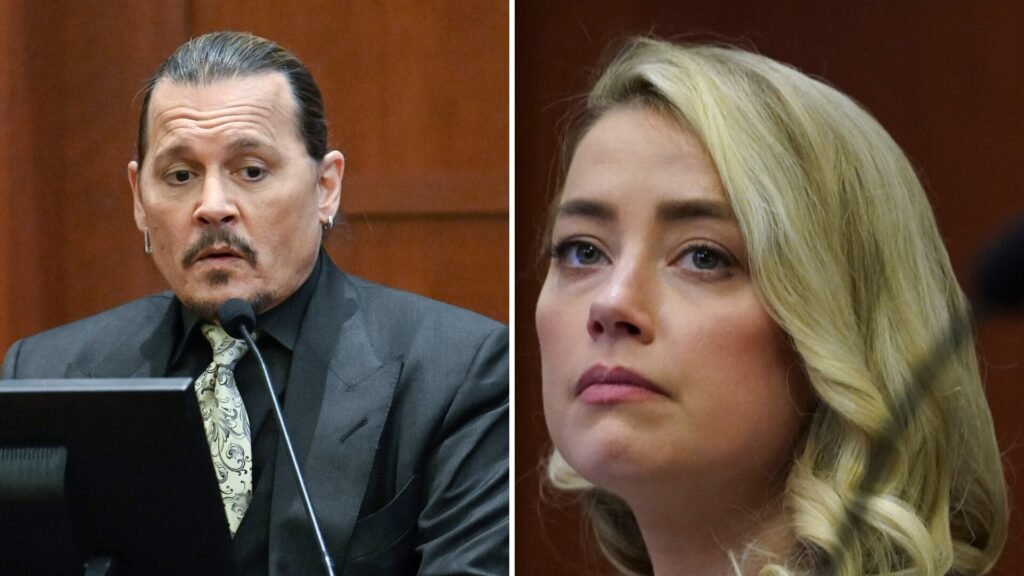
However, like with everything, there’s an ugly flip side to the cancel culture. Many believe that it is unnecessarily ruthless, denying any room for change and forgiveness. There is also no filter for the backlash a person ‘cancelled’ may receive, and oftentimes it crosses the lines of bullying. There have been countless instances from around the world where people chose to take their lives because the hate they received online was so severe. The death of Aamir Liaquat Hussain has sparked the question of our intensity of hate as a society. The people at the receiving end of this hate speech are banished on opinions made online and oppressed for crimes they are alleged to have committed. Johnny Depp, the famed actor, was cancelled on grounds of being an abuser and called a “wife-beater”, yet the verdict for the Depp vs. Heard trial was in the former’s favour. This implies how to cancel culture can be quite a slippery slope, yet is just as formidable. The premise of it seems effective initially, but it is hard to deny the toxicity and negative impact it possesses.
