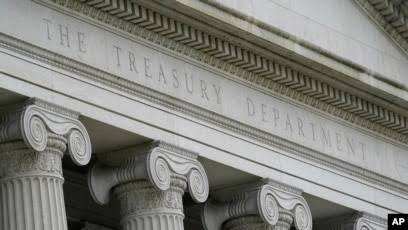
US Treasury hints at creation of a digital dollar
The Biden administration is one step closer to creating a central bank digital currency known as the digital dollar, which it claims would help strengthen the United States’ standing as a global financial leader.
The White House announced on Friday that after President Joe Biden issued an executive order in March directing various agencies to investigate ways to regulate digital assets, the agencies produced nine reports covering the effects of cryptocurrency on financial markets, the environment, innovation, and other aspects of the economic system.
One Treasury suggestion, according to Treasury Secretary Janet Yellen, is that the US “advance policy and technical work on a prospective central bank digital currency, or CBDC, so that the United States is prepared if CBDC is decided to be in the national interest.”
“Right now, certain components of our present payment system are either sluggish or too costly,” Yellen said on a conference call with reporters on Thursday, outlining some of the investigations’ conclusions.
US Treasury hints at creation of a digital dollar
Because they would be a direct obligation of the Federal Reserve rather than a commercial bank, central bank digital currencies would vary from existing digital money available to the general public, such as the balance in a bank account.
According to the neutral Atlantic Council, 105 nations representing more than 95pc of global GDP are researching or have launched a central bank digital currency.
The council discovered that the United States and the United Kingdom are far behind in developing a digital dollar or its equivalent.
Treasury, Justice, the Consumer Financial Protection Bureau, the Securities and Exchange Commission, and other agencies were entrusted with contributing to studies that would address different concerns regarding the dangers, development, and use of digital assets.
The research lays the groundwork for the development of agency policies and laws “that might enhance the benefit-risk trade-off associated with cryptocurrencies and similar technology.”
According to the Blockchain Association, which lobbies politicians on Capitol Hill, the White House reports are “a squandered chance to establish US crypto leadership.”
“These analyses focus on threats — not possibilities,” according to the statement, “and ignore significant recommendations on how the United States might support its developing crypto economies, such as job development, financial system reforms, and increased access for all Americans.”
Legislators on Capitol Hill have introduced a variety of bills to regulate cryptocurrencies and other digital assets.
In an emailed response, Sheila Warren, CEO of the Crypto Council for Innovation, stated that the research “seems to kick the can down the road,” adding that “we don’t see any suggestions.”
Brian Deese, director of the National Economic Council, told reporters that “we’ve seen significant turmoil in cryptocurrency markets in recent months, and these events really highlight how, without proper oversight, cryptocurrencies risk harming everyday Americans’ financial stability and our national security.
“That is why our government feels that smart regulation of cryptocurrencies is essential now more than ever,” he stated.
On Friday, he stated that the administration intends to “implement a comprehensive action plan with priority actions to limit significant dangers of cryptocurrencies, including money laundering and terrorism funding.”
