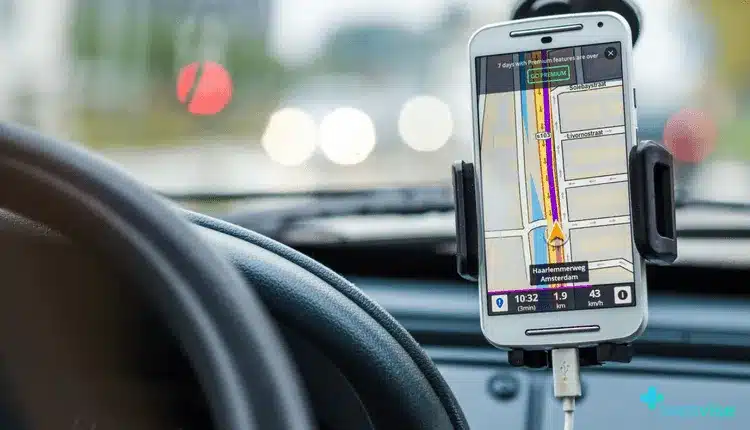
Lahore Traffic Police has ordered online taxi and ride-hailing companies to submit complete records of their drivers for police verification after a screening exercise found criminal records linked to 2,050 commercial vehicle drivers in the city.
Chief Traffic Officer (CTO) Lahore Syed Abdul Rahim Sherazi issued the instructions during a meeting with representatives of ride-hailing companies, where officials discussed passenger security, driver screening and the installation of modern safety equipment.
The companies have also been directed to install dashboard cameras and advanced vehicle-tracking devices in their vehicles and ensure the implementation of Punjab’s QR-based panic-button system.
Sherazi warned that ride-hailing services failing to comply with mandatory safety requirements could face legal action. He said drivers involved in serious criminal activities or having criminal records would not be permitted to operate online cab services.
According to a report published by Dawn on November 15, the CTO said more than 100,000 cars, motorcycles and rickshaws in Lahore were associated with online ride-hailing services.
Police Find Criminal Records Linked to 2,050 Commercial Drivers
Lahore Traffic Police has so far checked the criminal records of 10,000 commercial vehicle drivers, identifying 2,050 individuals with criminal records.

Authorities reported that a total of 3,700 criminal cases were registered against these individuals.
The reported figures are as follows:
| Screening details | Reported figures |
|---|---|
| Vehicles associated with online ride-hailing services | 100,000+ |
| Commercial drivers screened | 10,000 |
| Drivers with criminal records | 2,050 |
| Criminal cases registered | 3,700 |
Police have instructed ride-hailing companies to ensure that drivers with criminal records are not allowed to operate through their platforms.
However, the figures relate to commercial vehicle drivers screened by the authorities. They do not establish that all 2,050 individuals were active drivers on ride-hailing applications or that every registered case resulted in a conviction.
Dashcams and GPS Tracking Made Part of Ride-Hailing Safety Measures
Alongside driver verification, Lahore Traffic Police has directed online taxi companies to introduce additional security equipment to strengthen passenger protection.
The requirements include dashboard cameras, advanced vehicle-tracking devices and QR-based emergency panic buttons.
Dashcams can provide video evidence during investigations into accidents and security incidents, while GPS tracking systems can help monitor vehicle movements.
The QR panic-button system is another part of Punjab’s efforts to improve passenger safety, particularly for women using public transport and online taxi services.
The initiative was introduced earlier in 2026, when Lahore Traffic Police announced plans to make QR panic buttons, dashcams and GPS trackers mandatory for online cabs.
The Associated Press of Pakistan (APP) also reported the introduction of these measures in June, following a meeting between the CTO and ride-hailing company representatives.
By October 2026, QR panic buttons had reportedly been installed in 82,000 rickshaws, cabs and public transport vehicles across Lahore, according to The News.
Women’s Safety Remains a Major Focus
The latest instructions place particular emphasis on improving security for women passengers, who frequently rely on online taxi services for daily travel.
The combination of driver background checks, vehicle tracking and dashboard cameras is intended to strengthen monitoring and help authorities respond to complaints and investigate incidents.
The QR-based panic-button facility is also designed to give passengers access to emergency assistance.
However, the latest announcement does not specify a final deadline for installing the additional equipment or explain whether ride-hailing companies or individual drivers will bear the associated costs.
It also remains unclear how authorities will handle disputed criminal records and what verification procedure companies must follow before allowing drivers to resume their services.
For passengers, checking the driver’s identity, vehicle registration number and booking details against the information displayed in the ride-hailing application remains an important precaution.
