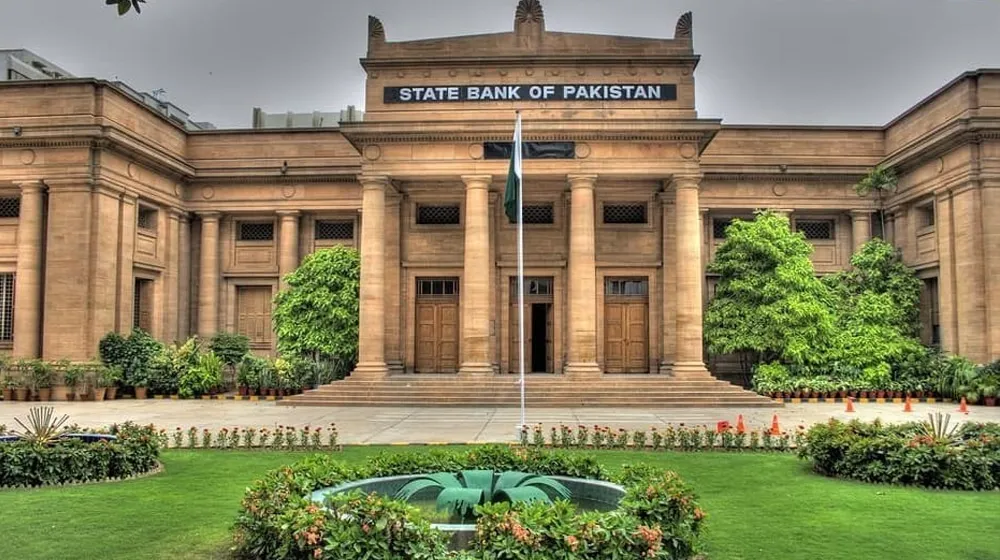
The State Bank of Pakistan (SBP) has raised the minimum capital requirement for locally incorporated banks to Rs20 billion, giving existing banks and development finance institutions (DFIs) until December 31, 2030, to comply with the revised regulations.
In BPRD Circular No. 02 of 2026, issued on October 27, the central bank said the revised minimum capital requirements would apply to new and existing banks, foreign banks operating through branches in Pakistan, and DFIs.
The decision reflects the higher operating costs associated with establishing and managing financial institutions on a sustainable basis.
The circular, issued by the SBP’s Banking Policy and Regulations Department, also allows statutory reserves maintained under Section 21 of the Banking Companies Ordinance, 1962, to count towards the minimum capital requirement, subject to restrictions imposed by the regulator.
SBP Revises Capital Requirements for Banks and DFIs
Under the revised framework, locally incorporated banks, including Islamic banking subsidiaries, must maintain a minimum capital of Rs20 billion.
Foreign banks operating through branches in Pakistan will face different requirements based on the size of their branch networks. Those operating up to five branches must maintain assigned capital, net of losses, of at least Rs5 billion. Foreign banks with six to 50 branches must maintain at least Rs10 billion.
The minimum capital requirement for development finance institutions has been set at Rs10 billion.
The SBP has directed existing banks and DFIs to meet the revised requirements by December 31, 2030. The circular does not specify a separate compliance deadline for newly established institutions in the same provision.
The complete requirements are available in the official SBP circular.
Statutory Reserves Allowed Under Revised Rules
The central bank has also revised the treatment of statutory reserves when calculating minimum capital.
Under the new instructions, reserves established in accordance with Section 21 of the Banking Companies Ordinance, 1962, may be included in the minimum capital requirement alongside the items already permitted under the SBP’s 2013 regulations.
However, banks cannot withdraw statutory reserves counted towards the requirement without obtaining prior approval from the central bank.
The restriction is intended to ensure that capital recognised for regulatory purposes remains available in accordance with the SBP’s requirements.
Why Minimum Capital Requirements Matter
Minimum capital requirements establish the baseline financial resources that banks and other regulated institutions must maintain to continue operating. Capital can help institutions absorb unexpected losses and manage financial pressures arising from deteriorating loan portfolios or adverse economic conditions.
The SBP distinguishes minimum capital requirements from the capital adequacy ratio, which measures eligible regulatory capital against risk-weighted assets. The two standards serve different regulatory purposes.
According to the central bank’s explanation of Pakistan’s regulatory capital standards, minimum capital requirements specify the minimum amount of capital that regulated institutions must maintain, while capital adequacy requirements assess capital relative to the risks carried on their balance sheets.
The revised framework sets a higher minimum capital threshold for banks and DFIs while allowing existing institutions several years to meet the new requirements. Its implications for individual institutions will depend on their current capital positions, business structures and progress towards compliance.
Banks and DFIs will need to assess their capital requirements against the revised thresholds and plan accordingly to meet the December 2030 deadline.
