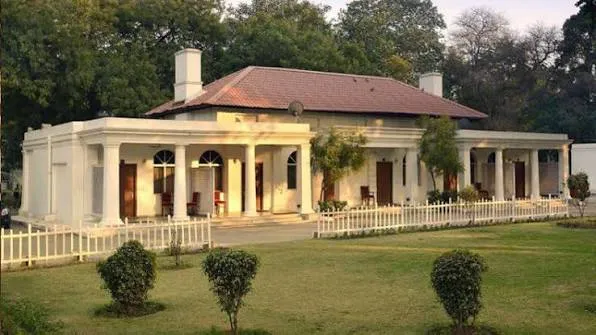
The future of the Lahore Gymkhana’s publicly owned land has become a matter of growing concern, with a Punjab Assembly committee questioning the terms under which the exclusive club occupies more than 100 acres of prime property in the provincial capital.
One alternative deserves serious consideration: converting the grounds into a publicly accessible urban forest that preserves green space while allowing residents to benefit from the land.
The debate centres on a basic question of public accountability. Should such a valuable tract of land continue to serve a private membership club under a nominal lease, or should the Punjab government reconsider its use to deliver greater benefits to the wider population?
According to reporting by Dawn on October 21, 2026, the Punjab Assembly’s Special Committee No. 6 sought the original lease approval, the legal basis for the arrangement and records explaining how the annual rent was determined. The committee also questioned the renewal of the lease for another 50 years in 1996, with the new term beginning in 2000.
The proceedings have brought renewed attention to the management of public assets and the responsibility of provincial authorities to ensure that government land is administered transparently and in the public interest.
Lahore Gymkhana Lease Raises Questions About Public Assets
The Lahore Gymkhana occupies more than 100 acres of valuable land in the heart of the city. Its members have invested in the club’s buildings and facilities, but the underlying land is publicly owned and leased to the institution.
During the committee proceedings reported on October 22, club chairman Salman Siddique acknowledged that the annual rent of Rs5,000 was inadequate and suggested that it should be at least Rs10 million. The admission has strengthened calls for a transparent assessment of the arrangement and the terms on which the land is held.
The scale of the property makes the issue particularly significant. Figures discussed during the parliamentary inquiry placed the land’s estimated value between Rs76 billion and Rs218 billion. These are reported estimates, not a substitute for an independently verified valuation or a final legal determination of the appropriate rent.
The difference between the current payment and the proposed increase also raises a broader policy question. Even if the lease payment were substantially increased, the government would still need to determine whether continued private use represents the most appropriate outcome for public land of this scale.
That decision should be based on documented valuations, the applicable lease conditions, legal obligations and an assessment of the economic and social benefits of alternative uses.
Why Eviction Alone Is Not a Complete Solution
Reclaiming the property would not automatically guarantee a better outcome for Lahore. The Punjab government would need a credible plan for the site, supported by a feasibility study, realistic cost estimates and a sustainable source of funding.
A hospital or university could provide valuable public services, while a competitively awarded lease might generate revenue. Both options, however, would require careful assessment of construction costs, operational requirements and long-term public benefits.
An ambitious development project that remains incomplete for years could leave the land underused and expose the government to unnecessary financial and administrative costs.
The authorities should therefore evaluate several options before making a final decision. Any proposal should also account for the club’s existing lease, the legal status of its buildings and the treatment of facilities financed by its members.
A public urban forest offers a different approach. Rather than replacing the grounds with another large development, the government could preserve much of the existing greenery while gradually opening the space to residents.
NASA Research Highlights the Value of Lahore’s Green Spaces
There is a scientific basis for considering the environmental benefits of retaining and expanding urban greenery.
In its report, Beating the Heat in Pakistan, NASA described how satellite observations recorded differences in land-surface temperatures across Lahore during a heatwave in May 2024.
The observations showed that the green spaces around Quaid-i-Azam Campus and Model Town Park were 3.7°C and 2°C cooler, respectively, than nearby built-up areas on the night of May 8, 2024.
Muhammad Nasar-u-Minallah, a geographer at the University of the Punjab in Lahore, explained in the NASA report that limited vegetation and green space can weaken natural cooling mechanisms, including shade and evapotranspiration.
These findings provide a relevant local example of how green spaces can influence urban temperatures. However, land-surface temperature is not the same as the air temperature people experience, and the results from two locations should not be treated as a guaranteed forecast of the cooling that an urban forest at the Gymkhana would deliver.
The research nevertheless supports examining the environmental value of existing vegetation as part of the government’s decision-making process.
How a Public Urban Forest Could Work
The transformation should begin with a detailed survey rather than immediate construction or indiscriminate tree planting.
Forestry specialists could document existing mature trees, assess soil conditions and water availability, and identify sections suitable for additional woodland. Open areas, including parts of the golf course, could be converted gradually using native species selected for Lahore’s climate and local growing conditions.
Existing buildings could be assessed for possible public uses, including educational, environmental and recreational facilities. Walking paths, drinking-water points, public toilets and accessible entrances would help make the grounds useful to people of different ages and abilities.
The project would also need a dedicated operating budget. Irrigation, tree maintenance, sanitation, security and repairs would require continuing expenditure, while public reporting could help residents monitor whether the promised environmental benefits were being delivered.
The relevant parks authority could manage the site in consultation with forestry professionals and community representatives. Publishing expenditure, planting records and maintenance assessments would help prevent the project from becoming an announcement without lasting results.
Public Access Should Be a Central Guarantee
Any redevelopment decision should protect the grounds against a future in which their green space is permanently lost to private commercial construction.
Luxury apartments or another private development might generate revenue, but the government would need to weigh that prospect against the loss of an extensive green area in a densely developed city.
A public urban forest could preserve mature trees and, where appropriate, historically significant buildings while making the grounds accessible regardless of a visitor’s income or club membership.
Such a proposal would still require legal scrutiny, public consultation, independent financial assessment and a practical transition plan. The government should also establish clear rules for access, environmental protection and the long-term management of the property.
The larger issue is how public land should be administered and who should benefit from it. The Lahore Gymkhana debate offers the Punjab government an opportunity to examine that question through transparent evidence rather than relying solely on the existing arrangement or the promise of immediate redevelopment revenue.
A carefully planned urban forest would provide one possible answer, retaining the land’s greenery while creating a public space for recreation and environmental protection. The final decision should rest on verified legal and financial findings, but the public benefits of preserving urban green space deserve a central place in that assessment.
With special input from Profit by Pakistan Today
