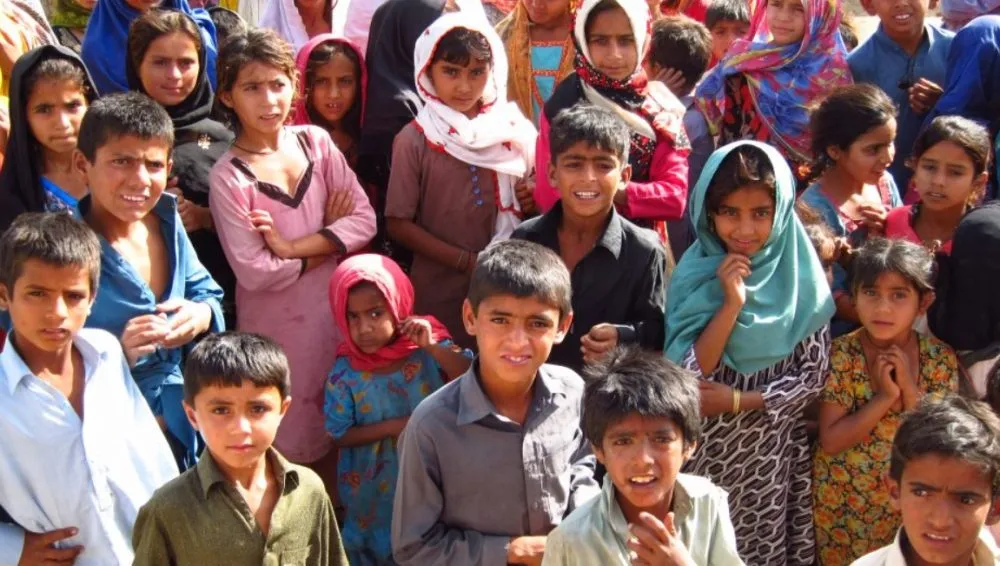
More than one-third of Pakistan’s population faces overlapping disadvantages in health, education and living standards, according to the latest Multidimensional Poverty Index (MPI) report by the United Nations Development Programme (UNDP).
The report estimates that 38.3% of Pakistanis live in multidimensional poverty, compared with 16.4% of India’s population and 14.9% of Bangladesh’s.
However, the figures are based on household surveys conducted in different years, meaning they should not be treated as a direct comparison for the same period.
The findings highlight the range of challenges that extend beyond household income, including access to education, healthcare, clean drinking water, sanitation, electricity and adequate housing.
Pakistan’s Poverty Burden Extends Beyond Income
Unlike income-based poverty measures, the Multidimensional Poverty Index examines several forms of deprivation experienced by people at the same time.
Its indicators cover areas such as nutrition, child mortality, years of schooling, school attendance, sanitation, drinking water, electricity, housing and household assets.
According to the report, the intensity of deprivation among Pakistanis classified as multidimensionally poor stands at 51.7%. This means poor households experience, on average, just over half of the weighted deprivations included in the index.
Another 12.9% of Pakistan’s population is classified as vulnerable to multidimensional poverty, indicating that these people face a heightened risk of falling into poverty if their circumstances deteriorate.
The findings suggest that poverty in Pakistan cannot be assessed through income alone. A household may earn money but still face serious disadvantages if children cannot attend school, healthcare is inaccessible or basic services are unavailable.
Global Multidimensional Poverty Rises to 1.2 Billion
The UNDP report also highlights a reversal in global progress, estimating that the number of people living in multidimensional poverty has risen to 1.2 billion, the first increase in 15 years.
The latest estimate is 51.5 million higher than the previous update. Children account for more than half of those affected, with approximately 617 million children living in multidimensional poverty.
Rural communities carry a disproportionate share of the burden. About 83% of people experiencing multidimensional poverty live in rural areas, where access to public services and essential infrastructure can be limited.
These findings underline the importance of policies that address several forms of deprivation together rather than relying exclusively on income support.
South Asia Faces Persistent Deprivation
South Asia remains a major centre of global multidimensional poverty. According to the report, the region accounts for at least one-third of global deprivations in nutrition, housing and years of schooling.
The report also identifies approximately 150 million poor people in South Asia who live in households where a school-aged child is not attending school.
UNDP estimates that 19.3% of South Asia’s population lives in multidimensional poverty, while another 18.4% is vulnerable to it.
Living standards account for 36.3% of multidimensional poverty in the region, followed by education at 33.7% and health at 29.9%.
The figures point to interconnected problems. Inadequate housing, unreliable access to clean water and sanitation, poor health outcomes and limited educational opportunities can reinforce one another, making it harder for families to improve their circumstances.
What the Findings Mean for Pakistan
For Pakistan, the results highlight the importance of improving basic services alongside efforts to increase household incomes.
Expanding access to schools and healthcare, improving nutrition, strengthening water and sanitation systems and extending electricity and adequate housing could help address multiple deprivations at once.
The MPI is designed to identify these overlapping disadvantages and help policymakers understand where interventions may be needed.
However, the reported figures reflect the underlying household survey data and should not automatically be interpreted as a real-time measure of current conditions.
Reducing multidimensional poverty will require sustained progress across health, education and living standards, particularly for vulnerable households and communities with limited access to essential services.
